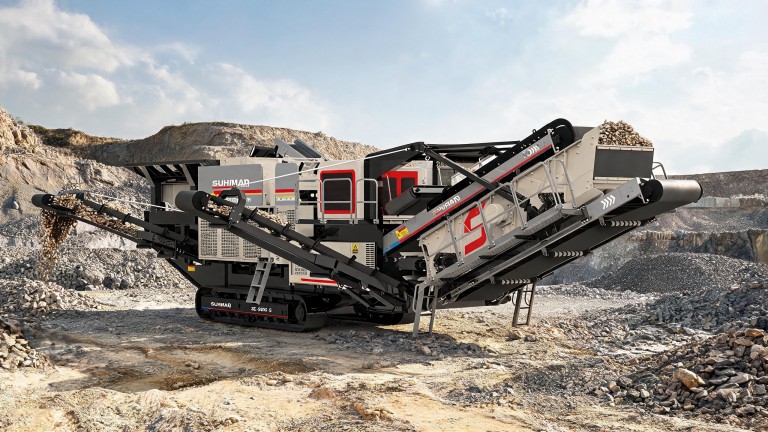
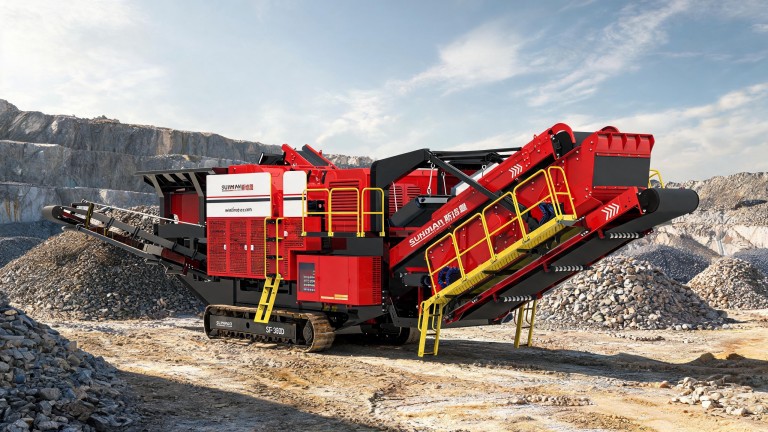
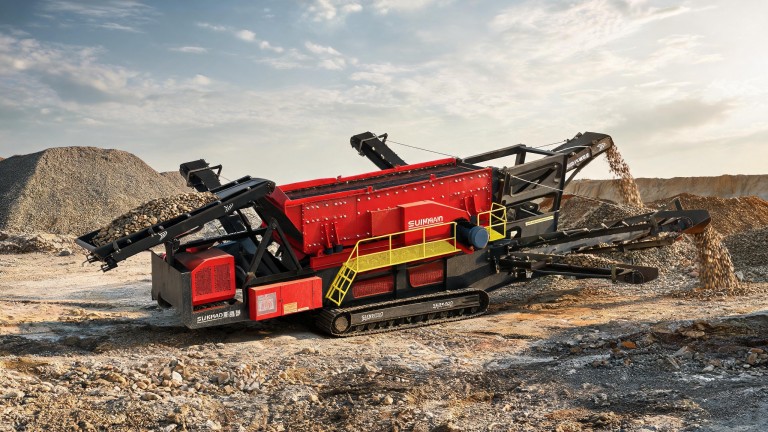
A centrifugal crusher for cuboid crushed stone determines the quality of the final product; when purchasing one, it is important to assess its capacity, the service life of its components and its suitability for the feed material, in order to avoid unnecessary costs and unreliable operation of the equipment.
Determining the required performance for specific tasks
First, compare the crusher’s capacity with the volume of raw materials processed at your plant; there is no point in choosing a model with a capacity that is several times greater than required, as this will lead to unnecessary expenditure on the purchase and electricity costs, whilst insufficient capacity will prevent you from meeting your production targets for cuboid-shaped crushed stone.
Assessment of the service life of key components
The working blades and the crushing chamber are in constant contact with solid raw materials, so please check what alloy they are made of; models with a hardened high-alloy steel last 2–3 times longer than standard versions, which reduces the costs of regularly replacing parts during operation.
Checking suitability for the specific type of raw material
Different crusher models are designed for specific feed sizes; if you feed in material larger than the permitted size, the equipment will frequently become blocked and stop, whereas selecting the correct feed size ensures a consistent supply of uniform, cuboid-shaped crushed stone without the need for additional processing.