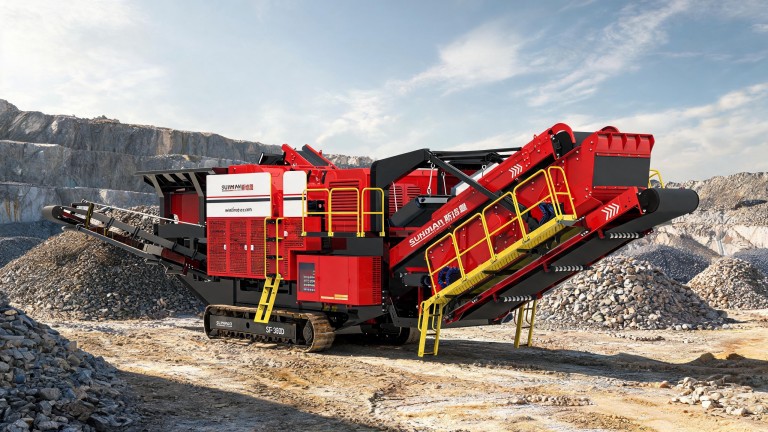
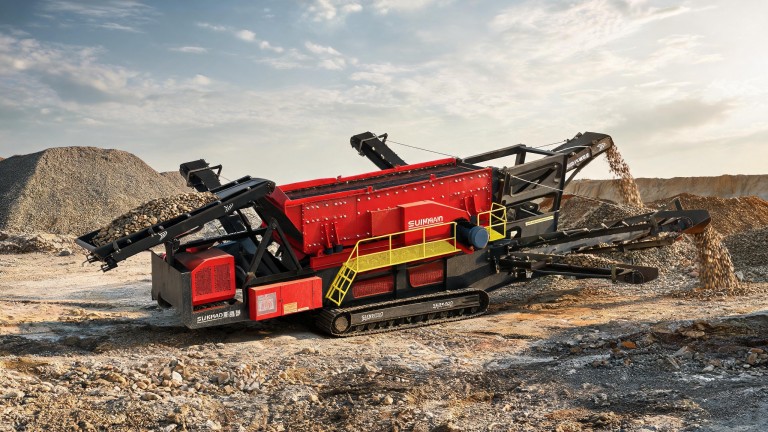
A rotary crusher for dolomite and limestone is an indispensable tool for processing rock; the appropriate model is selected based on the feed rate and hardness of the raw material, and its main advantages lie in its high efficiency and the uniform particle size of the final product
How to choose the right model of rotary crusher
When making your choice, take into account your production facility’s daily output and the maximum hardness of the rock to be processed; for dolomite and limestone, models with a rotor strength of up to 300 MPa are sufficient. You should also consider the required output particle size and the space available for installing the equipment.
Key design features for working with carbonate rocks
These crushers feature reinforced impact plates made of wear-resistant steel, which means they do not wear out quickly when in contact with soft and medium-hard rock, whilst the adjustable gap between the rotor and the deflector plates allows the particle size of the final product to be precisely adjusted without unnecessary energy consumption
Key benefits for rock processing
They deliver high productivity at low operating costs; the finished material has a uniform cubic shape with minimal dust, meeting the requirements of the construction and metallurgical industries, whilst their ease of maintenance reduces equipment downtime to a minimum