Don’t go!

You haven’t yet received your free quote and the exact price.
Please get in touch, and our engineers will draw up a bespoke solution for your project.

Crushing granite and ore

imag 12

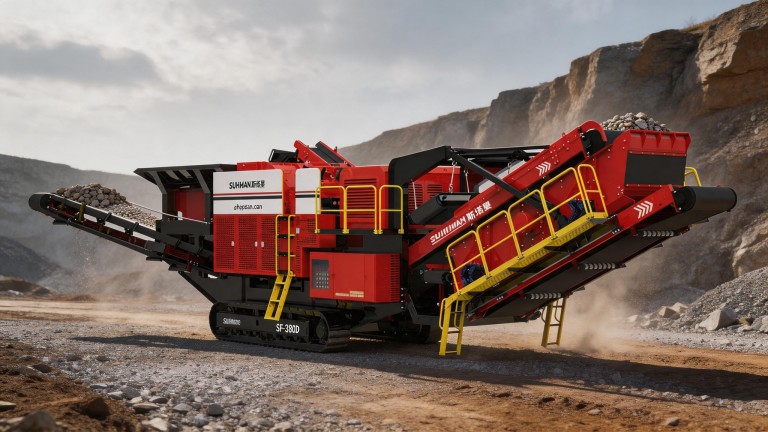
Stationary jaw crusher for granite aggregate: how to choose the right model and what to look out for when buying

A stationary jaw crusher for granite aggregate is essential for production; choosing the right model improves efficiency. When selecting a machine, assess the feed opening size and the desired output size; do not opt for excessive capacity. Look for wear-resistant manganese steel liners, an optimal grooving profile and a fully welded frame. Check the warranty, the availability of spare parts and maintenance requirements.

Read MoreStationary jaw crusher for granite aggregate: how to choose the right model and what to look out for when buying
imag 23

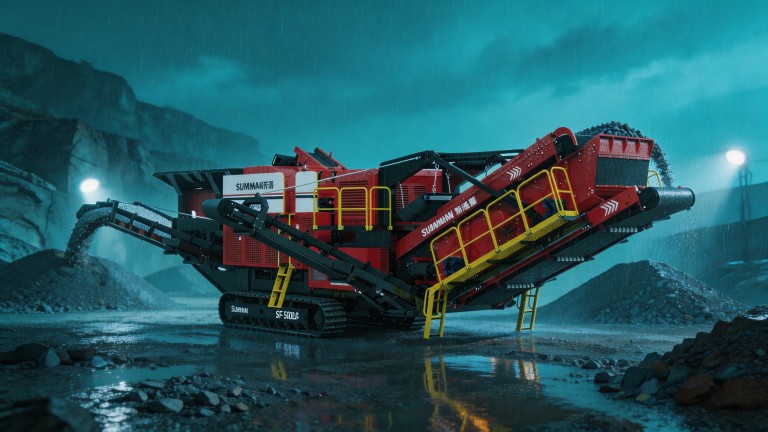
Mobile jaw crusher for basalt: how to choose the right model and what to look out for when buying

When selecting a mobile jaw crusher for basalt (a hard, abrasive rock), bear in mind the following: 1) jaw plates made of high-manganese steel with chromium; 2) an inlet opening 15–20% larger than the maximum feed size, with capacity to match the required throughput; 3) straightforward diagnostics, readily available spare parts and overload protection.

Read MoreMobile jaw crusher for basalt: how to choose the right model and what to look out for when buying
category image 3

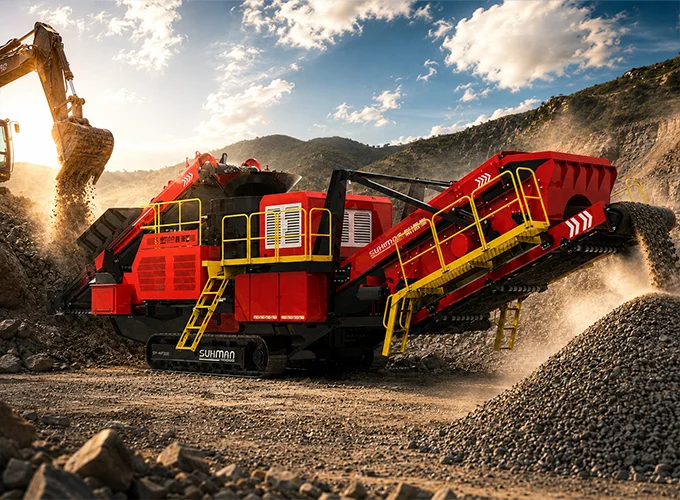
The drawbacks of a mobile crusher: what to look out for when choosing one, and what hidden downsides could disrupt the workflow

Mobile crushers, widely used on construction sites and in mining operations, have hidden drawbacks: low throughput (a drop of 30–40%) when processing hard rock, coupled with a high breakdown rate, rapid wear of components (by 25–30%) and high maintenance costs, as well as imprecise adjustment of the output size, requiring reprocessing; it is therefore important to take these factors into account in advance when making a selection.

Read MoreThe drawbacks of a mobile crusher: what to look out for when choosing one, and what hidden downsides could disrupt the workflow