Don’t go!
Please get in touch, and our engineers will draw up a bespoke solution for your project.

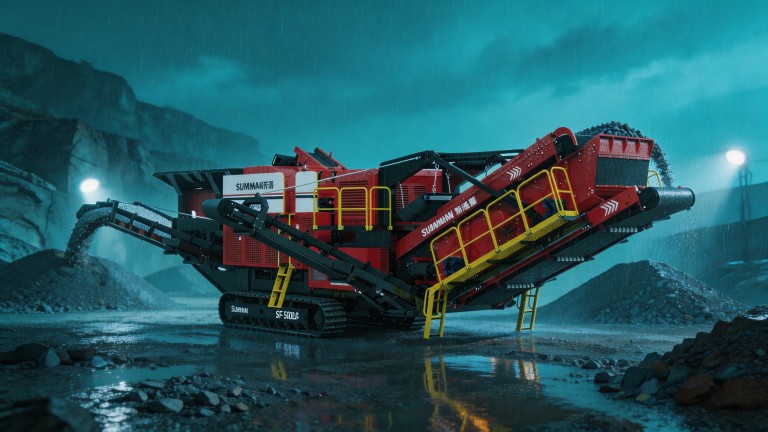
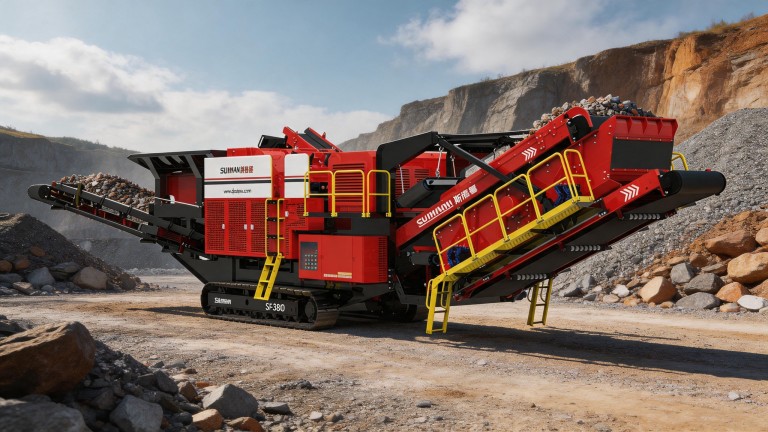
A mobile jaw crusher with a capacity of 400 t/h is a reliable piece of equipment for raw material extraction. When making your selection, consider the type of raw material, the dimensions of the undercarriage, the availability of output size adjustment, energy consumption, the service life of the jaw plates and the level of automation. Order directly from manufacturers, compare specifications, and clarify delivery and installation times to avoid unnecessary costs.

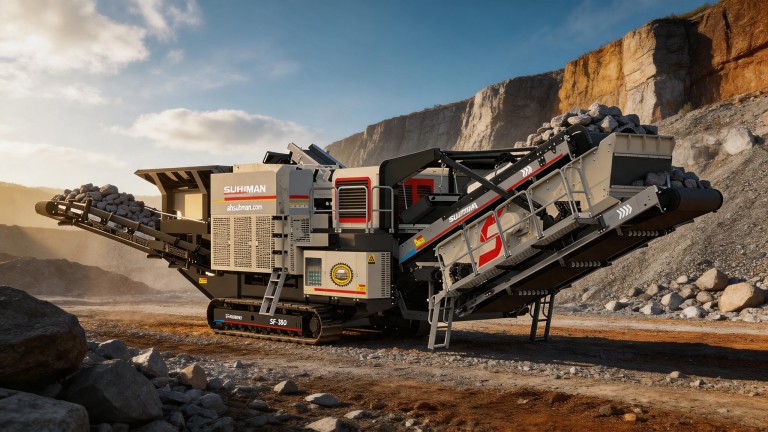
A mobile jaw crusher with a capacity of 300 tonnes per hour — a mobile unit for crushing hard rock, featuring a reinforced jaw assembly; it is suitable for a range of raw materials, site topography and compatibility with other equipment, and reduces logistics and energy costs.

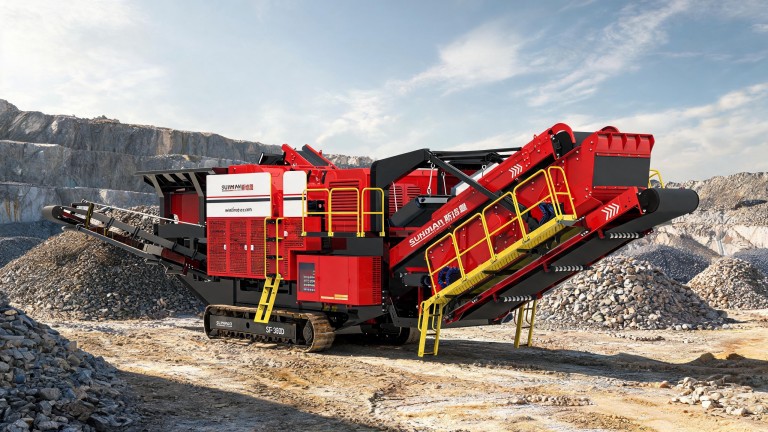
A mobile jaw crusher with a capacity of 200 tonnes per hour for construction sites and mining operations is selected based on three criteria: the characteristics of the raw material (hardness and particle size determine the type of jaw plate), the platform design (tracked for rough terrain, wheeled for rapid transport between nearby sites) and warranty terms, as well as the availability of servicing and spare parts.

A mobile jaw crusher with a capacity of 50 tonnes per hour is a popular choice for crushing hard materials. Before purchasing, check the hardness of the jaw plates, the suitability of the engine power, the size of the feed material, the compactness of the chassis, protection against non-crushable objects, the warranty and the availability of spare parts. It is best to order from direct, reputable manufacturers; avoid cheap options that come without a warranty.

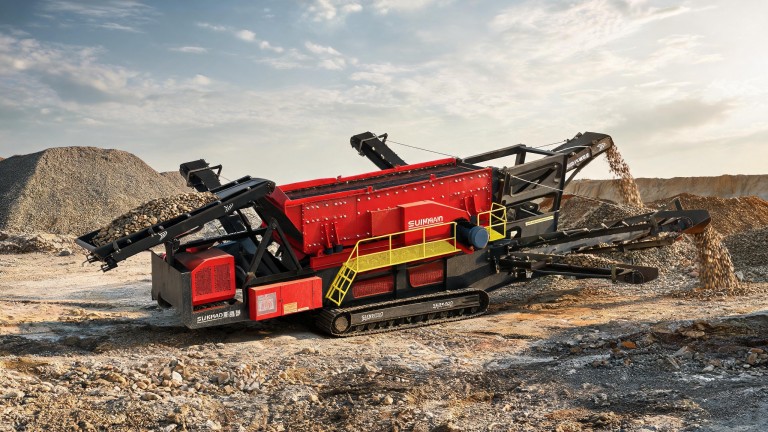
In 2026, tracked mobile jaw crushers cost between 1.2 and 4.5 million roubles; the price depends on the capacity, specifications and intended use. It is best to order directly from reputable Russian manufacturers, avoiding unverified intermediaries. Insist on a warranty of at least two years, check for the availability of local service centres and the option of a test run.

When choosing a mobile jaw crusher, focus on your production requirements: select a model suited to your raw materials, and match the capacity to the volume of work. The price depends on the specifications, brand and condition; take maintenance costs into account. Look for good deals on manufacturers’ official websites during promotional periods or on specialist platforms, and check the warranty and delivery terms.

При выборе мобильной щековой дробилки для камня оценивают производительность, размер входных кусков, тип привода (дизельный без сети, электрический экономнее с ней), материал щек (лучше высоколегированная сталь) и удобство регулировки фракции. Выгоднее покупать у официальных дистрибьюторов без наценок, с гарантией и консультациями.

When purchasing a mobile jaw crusher for granite, you should take key specifications into account (feed opening size, throughput, jaw strength, and power output relative to the volume of work), and check that it has a reinforced undercarriage and a particle size adjustment mechanism. Order from official distributors, check the warranty, take advantage of seasonal discounts, and avoid middlemen.

A stationary jaw crusher requires a robust, correctly designed foundation to ensure stable, long-term operation. The design takes into account the total weight of the crusher, the dynamic load caused by the impact of the jaw plates, and the bearing capacity of the ground. The foundation is laid below the frost line and reinforced with steel bars. Once the concrete has set, the supports are checked for levelness and the concrete is allowed to reach full strength before installation.

A crushing and screening plant with a capacity of 200 t/h is a key component of mining and construction operations; it comprises a hopper, crushers, screens and conveyors. During the design phase, it is essential to test the raw material, allow for a capacity margin of ≥15%, and provide sufficient space for maintenance. Common mistakes include allocating too little space for screens and failing to consider the vibrational compatibility of components.