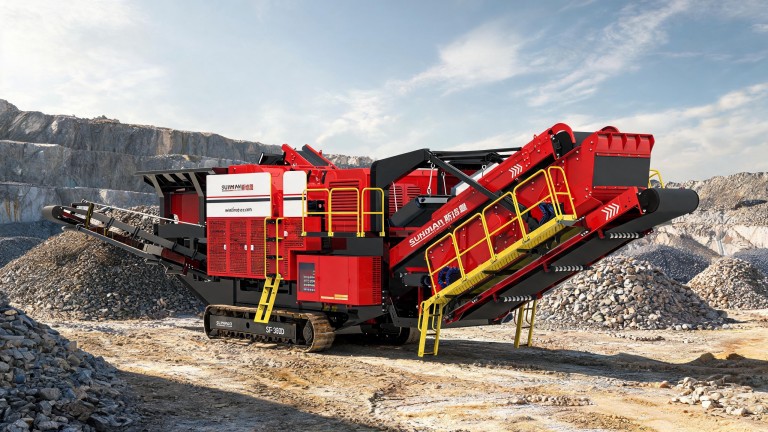
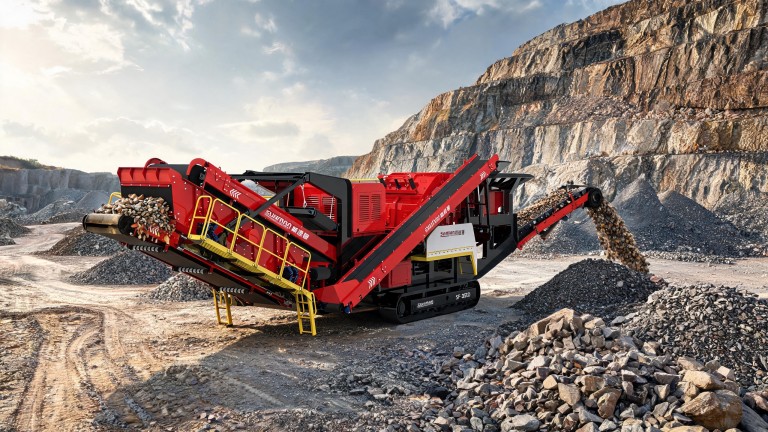
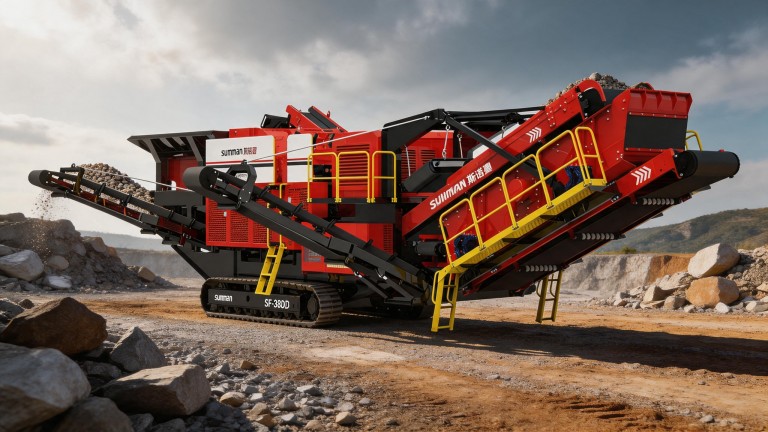
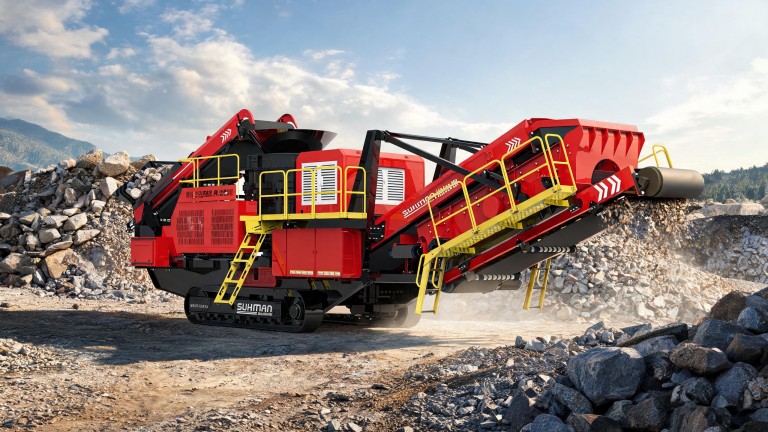
A mobile jaw crusher with a capacity of 200 tonnes per hour is a reliable asset on construction and mining sites. To choose the right model, simply assess the characteristics of the raw material, the operating conditions and your budget, whilst paying attention to the equipment’s key design specifications.
Assessment of the characteristics of raw materials for processing
Before purchasing, first determine the hardness and maximum size of the raw material that the crusher will be processing: for hard rocks such as granite or basalt, choose models with a reinforced jaw plate made of high-manganese steel; for limestone or construction rubble, standard models will suffice, this will prevent rapid wear of the working parts and ensure the stated capacity of 200 tonnes per hour.
Verification of the design features of the mobile platform
You should also consider the equipment’s undercarriage: if work is to be carried out on rough terrain, opt for tracked models, which offer excellent off-road capability and stability when operating on uneven surfaces, whilst wheeled models are suitable for transport between nearby sites, as they are more cost-effective and offer high transport speeds without the need for additional heavy machinery.
Analysis of warranty and after-sales service terms and conditions
At the final stage of your selection, be sure to check the warranty terms and the availability of service centres in the region where the equipment will be used, as well as the availability of spare parts for the chosen model. Regular maintenance is key to ensuring the equipment operates reliably without unplanned downtime, which is particularly important for production cycles designed to process 200 tonnes of raw materials per hour.