If you are searching for a «250×400 mobile stone crusher,» the short answer is this: 250×400 refers to the jaw crusher inlet size (250 mm wide x 400 mm long), not a specific mobile plant model. This size class is best understood as a compact, entry-level crushing solution, typically suitable for small-scale operations or as a secondary unit in a larger setup. However, you cannot make a final purchase decision based on this number alone; several critical inputs, such as the standard model name and configuration, are required to match the machine to your site.
Decoding «250×400» in a Mobile Context
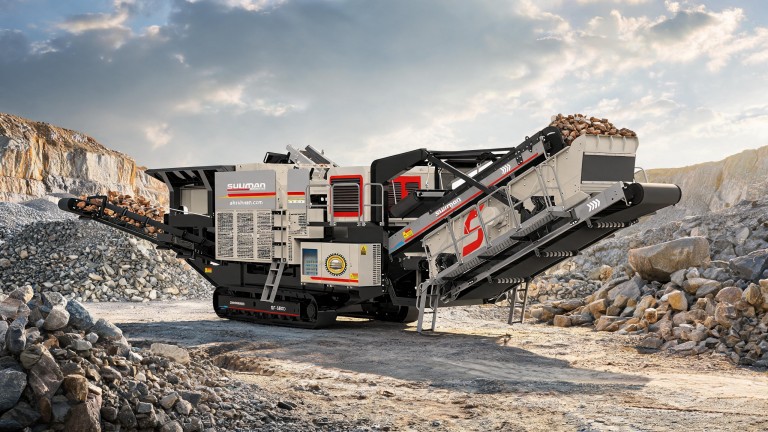
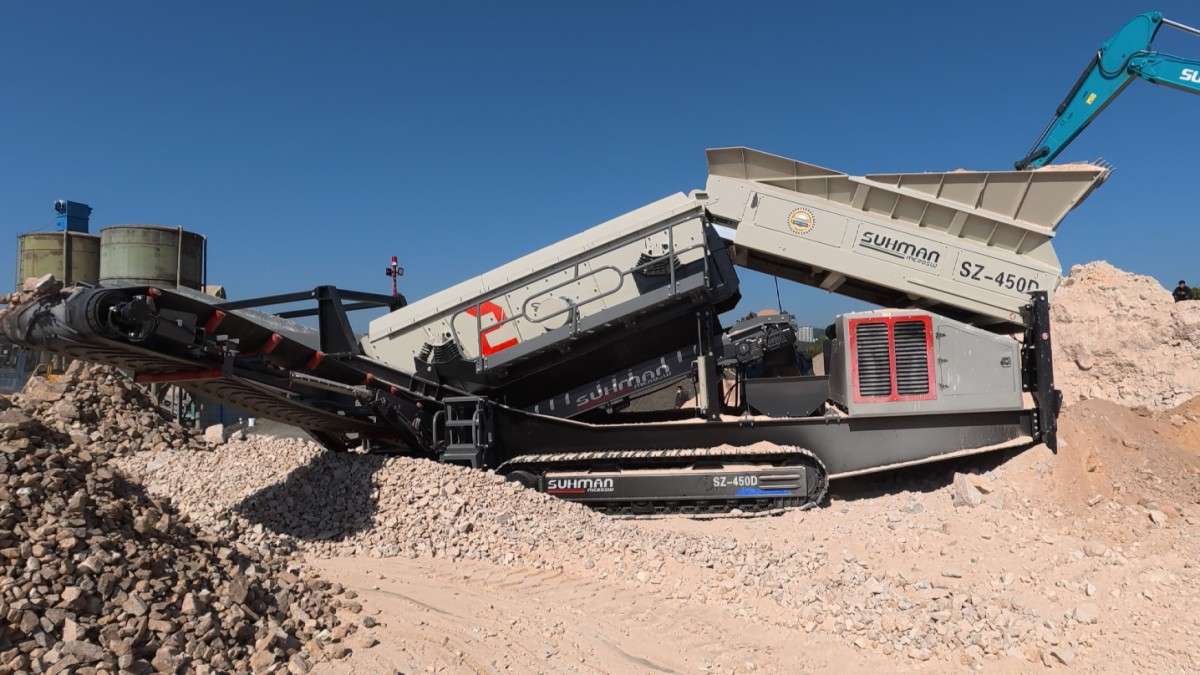
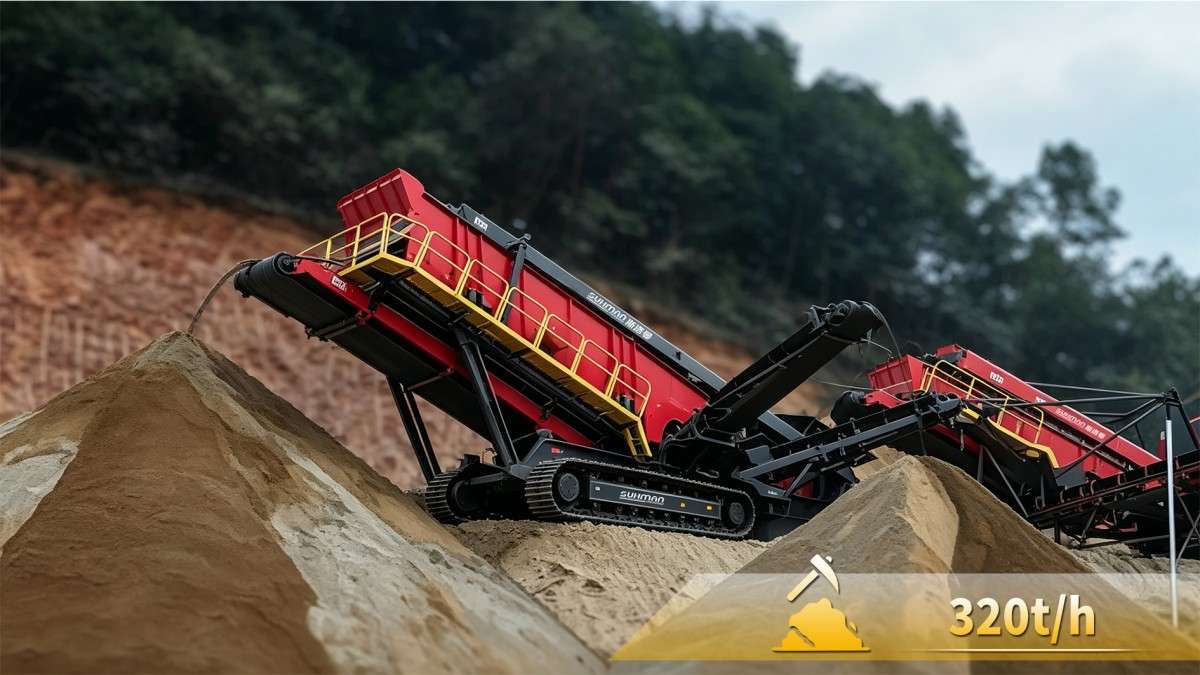
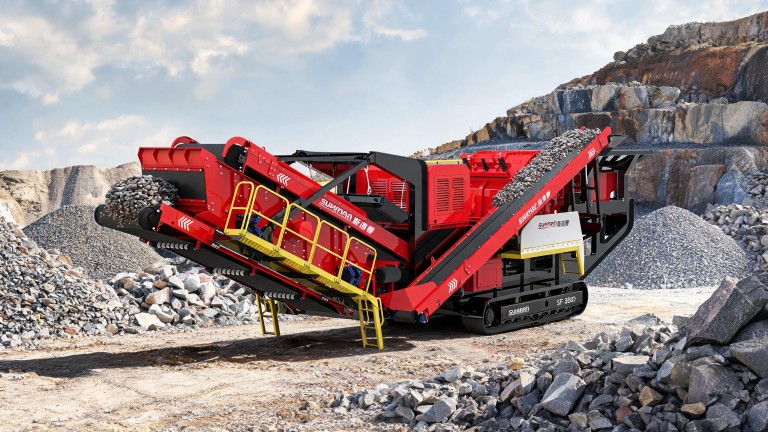
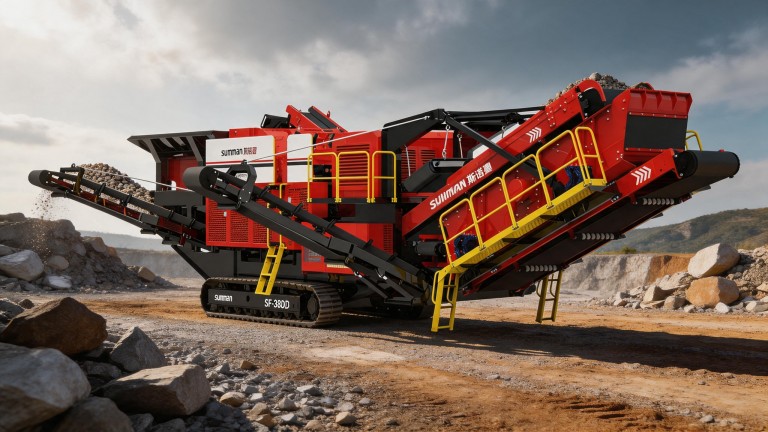
The «250×400» designation is a traditional way to identify the nominal feed opening of the jaw crusher itself. In practice, this dictates the maximum size of material you can feed into the chamber. For a mobile configuration, this jaw crusher is mounted on a tracked or wheeled chassis with a vibrating feeder, a discharge conveyor, and, in many cases, an integrated screen.
The first critical boundary here is feed size. A jaw crusher with a 250×400 mm inlet does not accept rocks that are 250 mm in diameter. Due to the crushing kinematics and the need to avoid bridging, the practical maximum feed size is significantly smaller than the inlet dimensions. You must have your actual feed material’s size distribution measured to determine feasibility. Without this data, a final recommendation is impossible.
This unit is generally not a high-volume primary crusher. It is engineered for mobility and versatility, often used for small demolition projects, concrete recycling, or small aggregate production. For a large quarry aiming to process thousands of tons per day, this machine is not a suitable choice; it is better positioned for pilot operations, remote sites, or secondary crushing duties.
The Missing Inputs: What You Must Provide for a Decision
Making a selection based on the «250×400» label alone is risky. The engineering reality is that we must match the machine to the material and the target output. To move from an inquiry to a configuration, you need to supply specific data points.
Required Material Analysis
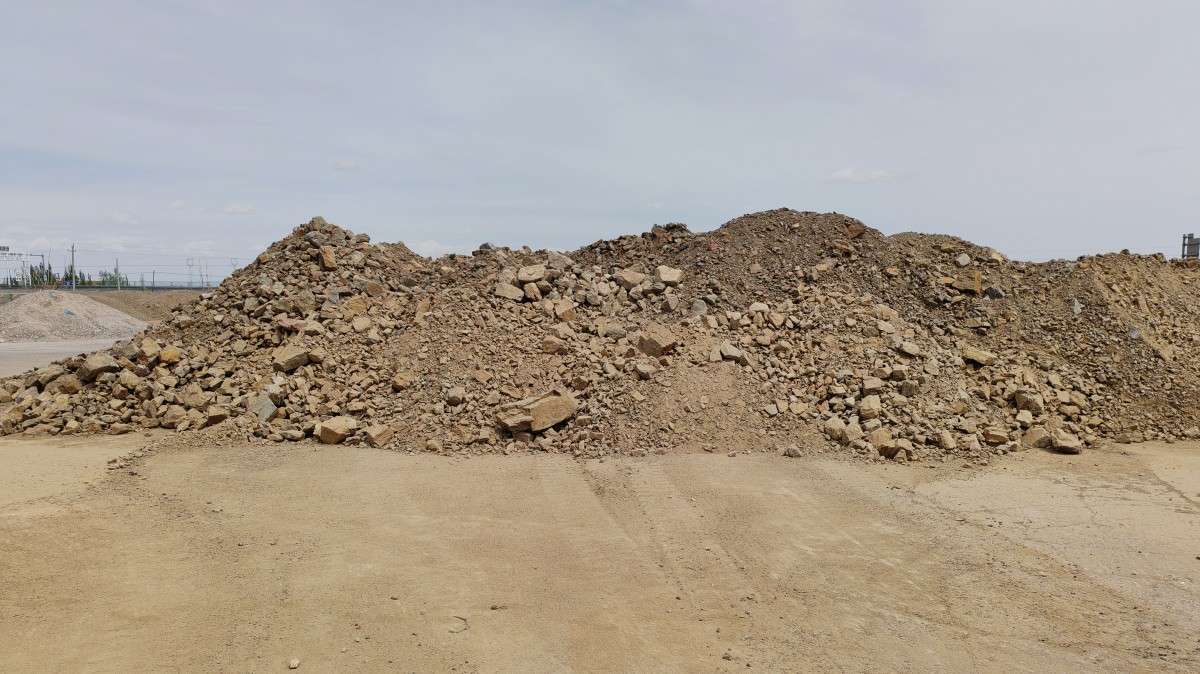
The type of rock you are crushing is the most significant variable. Crushing hard, abrasive granite is entirely different from processing softer limestone or reinforced concrete. We need to know:
Rock Type and Abrasiveness: Is it basalt, granite, river gravel, or construction debris? An impact crusher handles softer, less abrasive materials well, while a jaw crusher is universally applied for primary reduction regardless of hardness. For a 250×400 inlet, the jaw is the most common configuration, but the liner profile and speed must be matched to the material’s hardness.
Moisture Content: Is the material dry, or does it contain clay and fines? High moisture content can cause clogging in the feeder and the crusher discharge, drastically reducing throughput.
Maximum Feed Size Distribution: You must provide a sieve analysis of your feed. This tells us the actual top size and the percentage of fines. If the top size exceeds the crusher’s closed side opening ratio, you will need pre-screening or a larger machine.
Project Configuration Table
To evaluate the correct setup, you must fill in the operational context. Use this table as a checklist for the information you must gather.
Input Parameter
Why It Matters
Your Confirmed Data
Feed Material (Type/Photo)
Determines crusher type and liner material (e.g., Mn-steel grade).
_Buyer must provide sample._
Max Feed Size (mm/in)
Dictates whether 250×400 is sufficient or if pre-screening is required.
_Buyer must provide sieve test._
Target Output Size (mm)
Determines the closed side setting (CSS) and whether a screen is needed.
_Buyer must specify._
Required Throughput (t/h)
Confirms the 250×400 capacity within acceptable parameters.
_Buyer must confirm._
Power Supply (Diesel/Electric)
Electric requires grid access; diesel is for remote sites.
_Buyer must confirm site utilities._
Required Mobility
Tracked for rough terrain; wheeled for frequent road transport.
_Buyer must define hauling method._
This table is a buyer-input tool. It is intentionally empty because any realistic values I could suggest for «capacity» or «power» would be guesses without your site conditions. [FACT REVIEW REQUIRED]
Assessing Capacity and Configuration
When we discuss capacity, we must distinguish between the crusher’s theoretical volume and the plant’s real throughput. The term «measured output» is critical here.
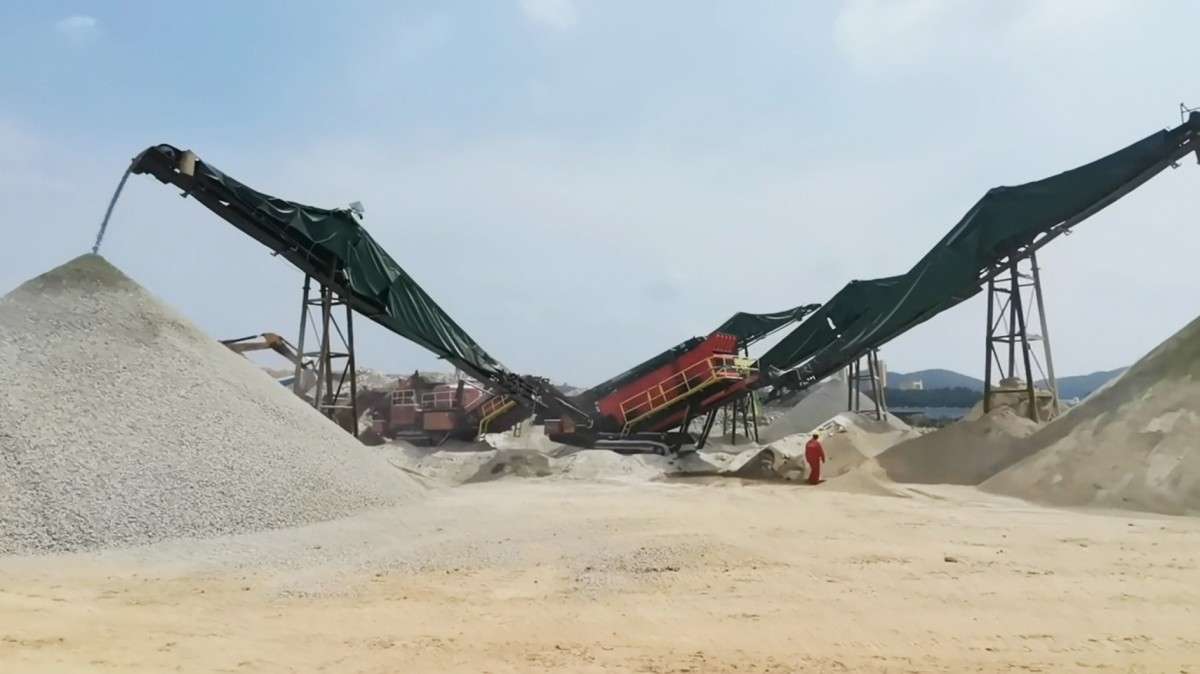
A 250×400 jaw crusher might have a theoretical capacity range, but the actual, measured output of the mobile plant depends on the entire line. This includes the feeder’s ability to supply material without stalling and the conveyor’s capacity to remove crushed rock without choking the discharge. The working closed side setting (CSS) controls the output size, and a smaller CSS reduces throughput but increases product fineness.
For a final selection, the project’s specific «line configuration» must be defined. For instance, if your target is a 0-40 mm product, you may need to run the jaw crusher in an open circuit and then screen the oversize and return it to the crusher (a closed circuit). This requires a mobile crushing plant with an integrated screen. The 250×400 mobile plant you choose must be specified with this flow path in mind.
FAQ: Mobile Crusher Selection
What is the actual maximum feed size for a 250×400 mobile crusher?
The feed size is not equal to the inlet size. The maximum recommended stone size is typically 70-80% of the inlet width, but for a 250×400 jaw crusher, hard rock applications often see a practical limit around 180-200 mm to prevent bridging, though this is not a universal spec. You must confirm the actual top size of your raw feed, as oversized material will stop production.
Can I use this mobile crusher for hard granite?
A jaw crusher with a 250×400 opening is mechanically capable of crushing granite. However, the choice of jaw plates and the crusher’s flywheel inertia must be engineered for dense, abrasive rock. Granite crushing will increase wear costs per ton and reduce throughput compared to softer limestone. You must submit a rock sample and hardness data for a definitive application review.
How does a tracked chassis vs. a wheeled chassis affect my operation?
Tracked mobile crushers are self-propelled and can move around the quarry face or demolition site without external haulage. Wheeled units are towable and are often changed between sites more cheaply, but they require a stable ground surface. Your choice depends on terrain and whether the machine will crush in one spot for extended periods.
What support and service can I expect for a mobile crusher?
When purchasing from SUHMAN, technical support is part of the workflow. Our team is available Monday through Saturday, 9:00 AM to 6:00 PM (Beijing Time). You can reach us via email, WhatsApp, or mobile phone. If an inquiry arrives outside business hours, we respond within 12 hours. This ensures rapid resolution of setup questions or operational guidance.
Is this crusher suitable for a high-production quarry site?
No. A 250×400 inlet is small and is best suited for low-to-medium throughput applications, such as recycling or small-scale production. It is not a substitute for a large primary jaw (e.g., 900×1200) in a high-tonnage quarry. Expect slower throughput and higher relative wear costs per ton.
Suitability Boundary and Next Steps
This 250×400 mobile crusher is not the solution if your vision is to run a 500-ton-per-hour stationary quarry. It is best suited for: small contractors requiring 20-50 tons per day [FACT REVIEW REQUIRED], recycling yards processing debris, or as a pre-crushing unit before a secondary cone crusher in a larger operation.
To proceed, you must provide the «Missing Inputs» listed above. Specifically, we need the geological description of your material and your target output size. Please visit the product catalog to explore potential chassis options, and contact us to initiate an engineering review of your specific feed and output requirements.
For more operational insights, refer to our news and articles on crushing equipment. We can develop a specific line configuration only after reviewing your material’s measured data and your project location. Contact SUHMAN for a specification review so we can identify the actual model required for your site, rather than relying on the inlet size alone.