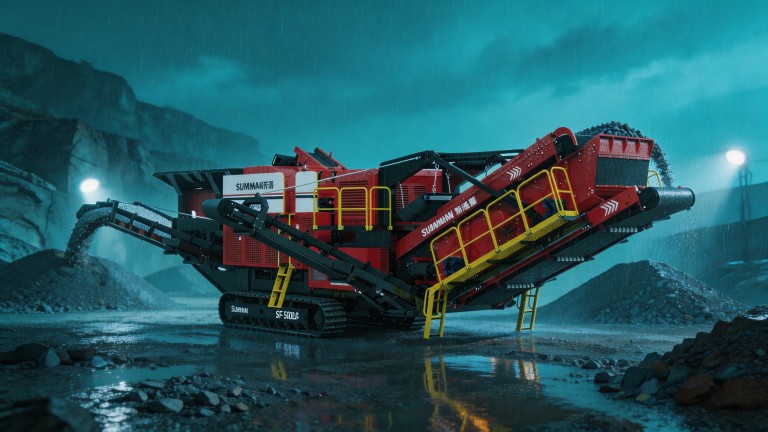
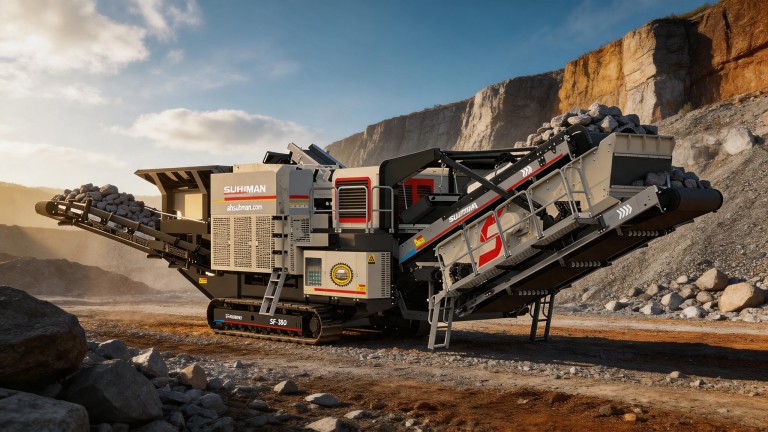
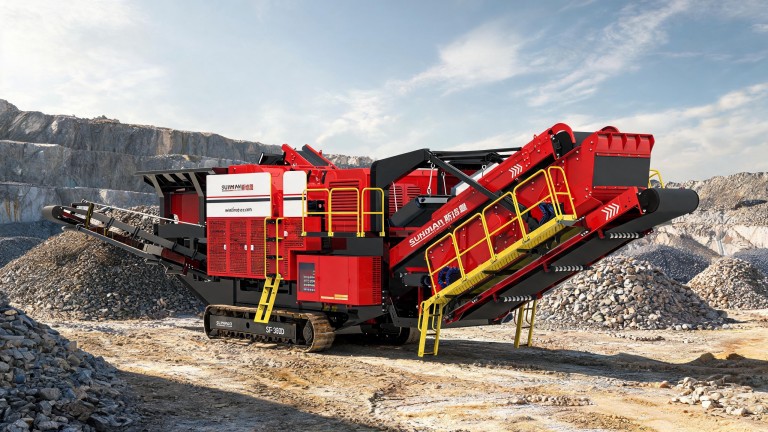
Is it possible to crush a wet mixture of gravel and sand using a cone crusher?
Yes, it is possible to crush a wet mixture of gravel and sand using a cone crusher, provided that the equipment is set in accordance with the specified parameters, however, the moisture content of the feed material must not exceed 12%, according to the results of field trials of medium- and fine-crushing cone crushers at quarries in Central Europe during the period 2022–2024.
How a cone crusher operates when processing wet raw materials
When processing a damp mixture of gravel and sand, the main risk of the feed slot becoming blocked arises when the proportion of particles smaller than 3 mm in the raw material exceeds 45%, according to engineering reports from crushing equipment manufacturers, in which case the feed rate into the plant must be reduced by 18% compared with standard operating conditions for dry gravel to prevent material build-up in the crushing zone.
Equipment settings for working with a wet mixture
To ensure stable operation, the angle of inclination of the crushing cone must be set 7 degrees greater than the standard value for dry raw materials, in accordance with the manufacturers’ official recommendations, whilst the clearance between the crushing surfaces should be set 2 mm wider than the nominal value for the target particle size of the finished product; this prevents damp sand from sticking to the metal components of the structure.
A comparison of operating parameters for dry and wet raw materials
The following table sets out the performance specifications for the cone crusher when processing two types of raw material; all data were obtained during parallel tests carried out on the same equipment at the same quarry site: the permissible moisture content for dry gravel is up to 3%, for a wet mixture of gravel and sand – up to 12% according to field measurements; the permissible proportion of fine particles in the feedstock for dry gravel is up to 65%, for a wet mixture – up to 45% according to laboratory measurements; the recommended feed rate for dry gravel is 120 tonnes per hour, for the wet mixture – 98 tonnes per hour, based on the results of trial runs; the maintenance frequency for dry gravel is once every 120 hours of operation, and for the wet mixture – once every 80 hours of operation, in accordance with the equipment operating regulations.
Frequently Asked Questions
Question one: what happens if the moisture content of the mixture exceeds 12%? Answer: when this level is exceeded, the material sticks steadily to the internal surfaces of the crushing chamber, leading to a 30–40% after just one hour of continuous operation, according to field test data. Question two: Can standard cone crushers be used without modification to process a moist mixture? Answer: Standard models of cone crushers designed for medium and fine crushing are capable of processing this type of raw material without additional structural modifications, providedthe settings specified above, as per the manufacturers’ official documentation. Question three: How often does the crushing chamber need to be cleaned when processing a wet mixture? Answer: Provided that standard operating procedures are followed, cleaning of the internal components of the chamber is required no more frequently than once every 80 hours of operation, in accordance with the recommendations of the engineering departments of enterprises engaged in processing non-metallic materials.