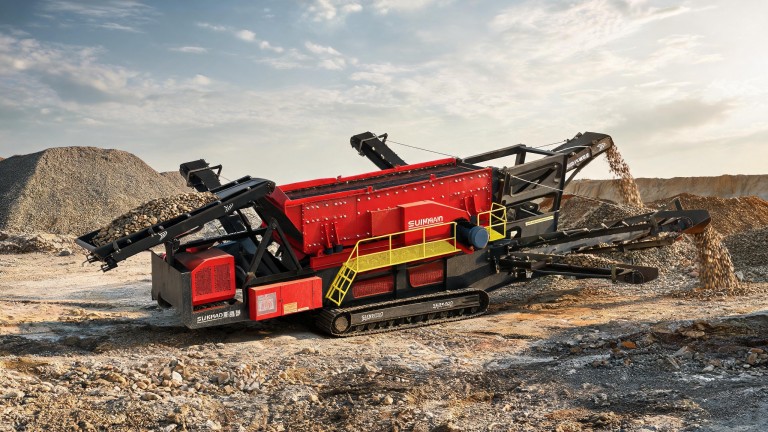
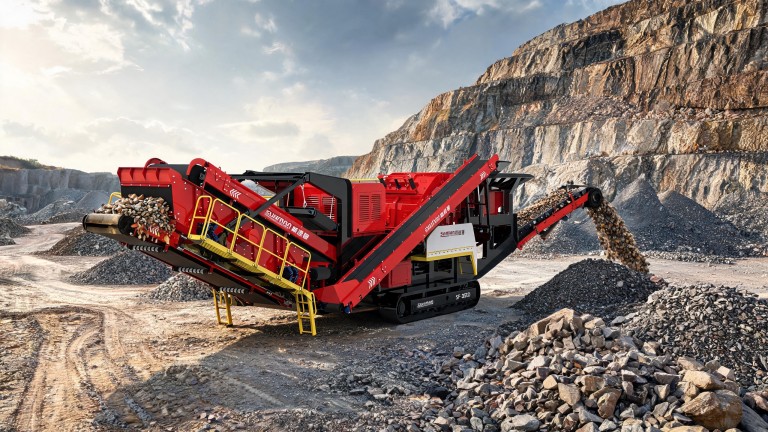
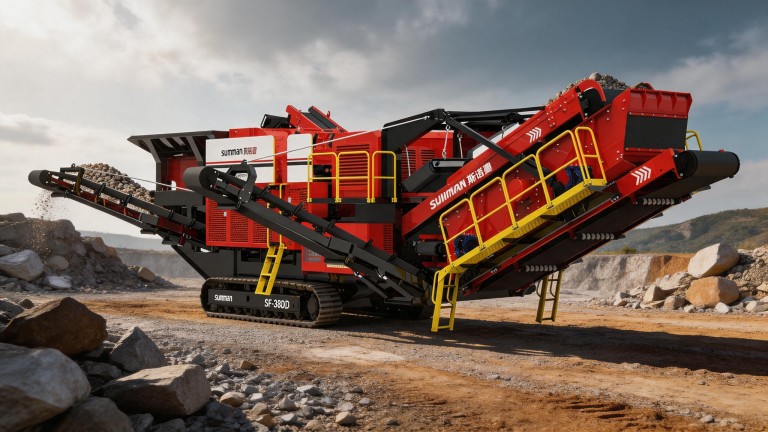
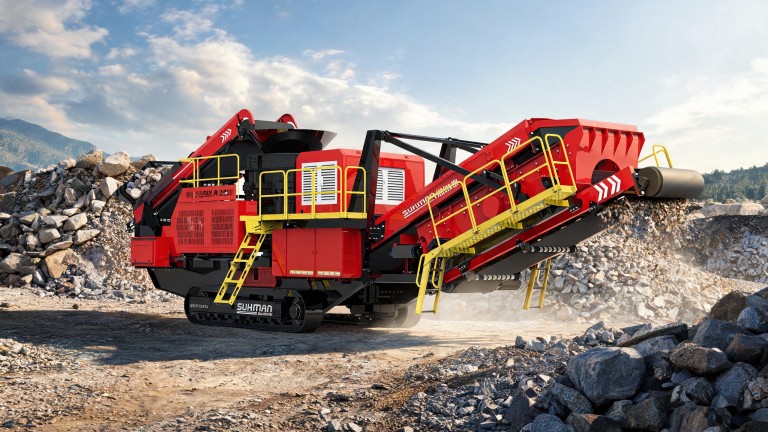
A granite cone crusher is a reliable «workhorse» for processing hard rock; to choose the right model, you need to consider its capacity, the type of crushing chamber and operational characteristics, so that the equipment operates without faults and produces the required output size.
Determine the required capacity and scope of work
Before purchasing, work out how many cubic metres of granite need to be processed per shift: compact models with a capacity of up to 50 cubic metres per hour are suitable for small-scale operations, whilst large quarries will require machines with a capacity of 200 cubic metres per hour or more. You should not choose a machine that is too powerful for small volumes – this will lead to unnecessary energy consumption and rapid wear and tear on parts.
Select the correct type of crushing chamber
Cone crushers are divided into chambers for coarse, medium and fine crushing: a coarse crushing chamber is required for the initial processing of large granite boulders; a medium chamber is suitable for producing standard construction aggregate; and a fine chamber is used for fine fractions. Choosing the wrong chamber will result in the finished product having inconsistent particle sizes, and the equipment will frequently become blocked.
Please note the material of the worn parts
Granite is one of the hardest types of rock, so the crusher liners and cone liners must be made from high-manganese steel with added chromium; such components can withstand prolonged contact with hard rock and do not require frequent replacement. Cutting corners on the quality of these components will mean you have to replace them every 2–3 months, which will negate any benefit gained from the low price of the crusher itself.
Check that an overload protection system is in place
A good cone crusher for granite must have a hydraulic safety system that automatically stops the machine if a foreign object that cannot be crushed, such as a piece of metal, enters the crushing chamber. This feature prevents serious damage to the main shaft and the cone, which would cost tens of times more to repair than the safety mechanism itself.
Find out how convenient the after-sales service is and how readily available the spare parts are
Choose models with quick-release components in the crushing chamber, so that replacing worn parts takes no more than a few hours rather than a whole working week. Also, check in advance whether there are official spare parts suppliers for your chosen brand in your region; otherwise, in the event of a breakdown, you risk being out of work for months whilst waiting for the necessary parts to be delivered.