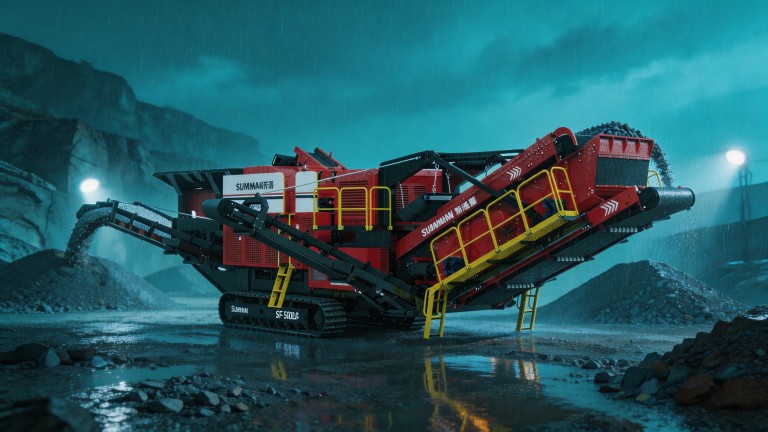
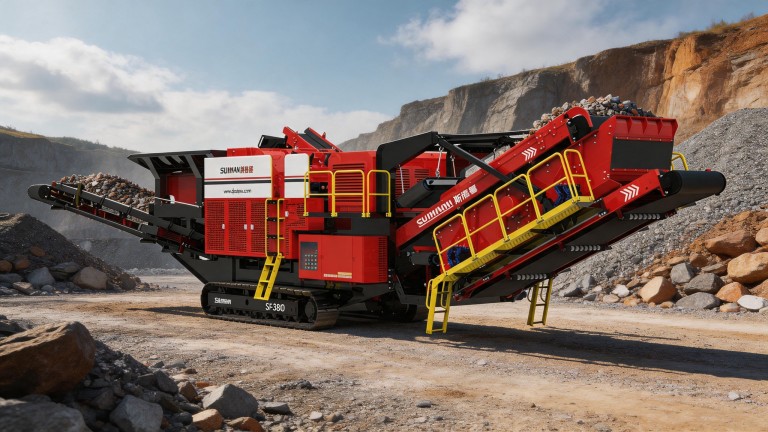
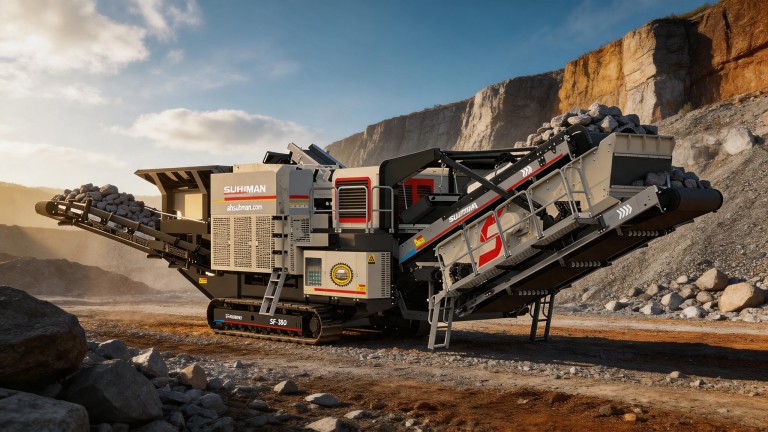
Crushers operating at high altitudes inevitably experience a significant loss of power due to atmospheric rarefaction and reduced oxygen content, which directly disrupts the operating cycle of the power units and reduces the efficiency of raw material crushing by 30–40% compared with conditions at sea level.
The cause of the power issue
At altitudes of over 1,000 metres, air density decreases in proportion to the altitude, which reduces the volume of oxygen entering the cylinders of an internal combustion engine, leading to incomplete fuel combustion and an automatic reduction in the rated power of the crusher’s power unit, with each kilometre of ascent resulting in a loss of approximately 10% relative to the baseline figure.
The effect of altitude on the crushing process
In addition to a reduction in engine power, the thin atmosphere impairs the efficiency of the crusher’s cooling system, as dense air is the primary heat-dissipating agent; this leads to the overheating of friction components and further restricts the load on the working parts responsible for crushing solid fractions of the raw material.
Standard methods for compensating for losses
In practice, to counteract the effects of high altitude, turbochargers with variable blade geometry are fitted; these force air into the engine’s intake system, and also adjust the fuel system calibration to maintain a stable air-fuel ratio across all operating conditions.
Long-term solutions for high-altitude crushers
Promising avenues for adapting crushing equipment to high-altitude conditions include the switch to electric power units, which are not affected by the composition or density of the atmosphere, as well as the modernisation of the design of working parts to reduce the energy consumption of the crushing process without compromising the quality of the final product.