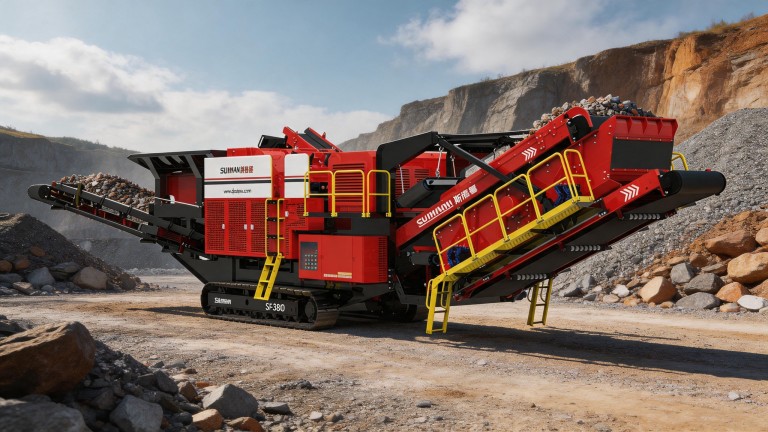
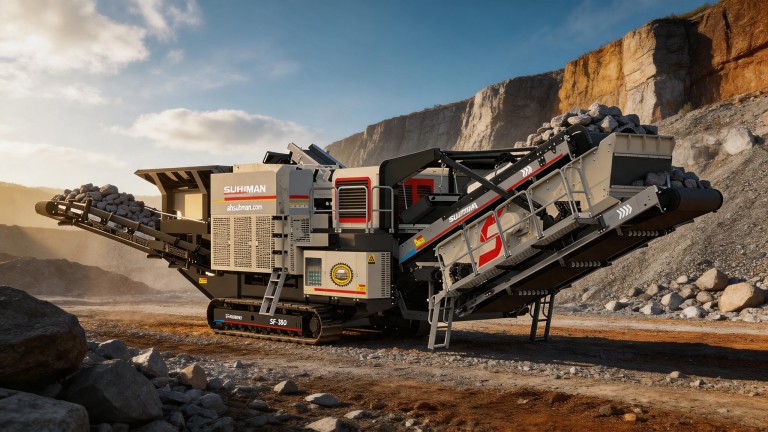
The on-site processing of demolition waste is a structured process for converting construction debris into useful secondary resources, enabling a reduction in the volume of waste sent to landfill sites, reduce the environmental impact and optimise costs for construction organisations, whilst complying with modern resource conservation standards.
On-site initial sorting of demolition waste
In the first stage, concrete, brick, timber and metal waste is sorted by hand and using specialised equipment directly at the demolition site; this prevents the different fractions from becoming mixed, simplifies subsequent processing and improves the quality of the resulting recycled materials.
Shredding of construction waste fractions
The sorted solid fractions pass through jaw or rotary crushers, which reduce large chunks into gravel and aggregate of a specified size, whilst a filter system captures dust, preventing air pollution in the surrounding area.
Cleaning and sorting of the materials obtained
The crushed material passes through vibrating screens and magnetic separators, which remove any remaining metal, soil impurities and foreign matter, sorting the material into size fractions ready for further use in construction work.
Use of recycled materials on site
The crushed stone, sand and wood chips produced during the processing are used to create sub-bases for foundations, backfill trenches and landscape the site, thereby eliminating the need to purchase some new building materials.
Monitoring compliance with environmental standards
At every stage of the process, specialists monitor noise levels, dust emissions and the composition of waste, ensuring that operations comply with current health and environmental standards and preventing any adverse impact on the environment and the local population.