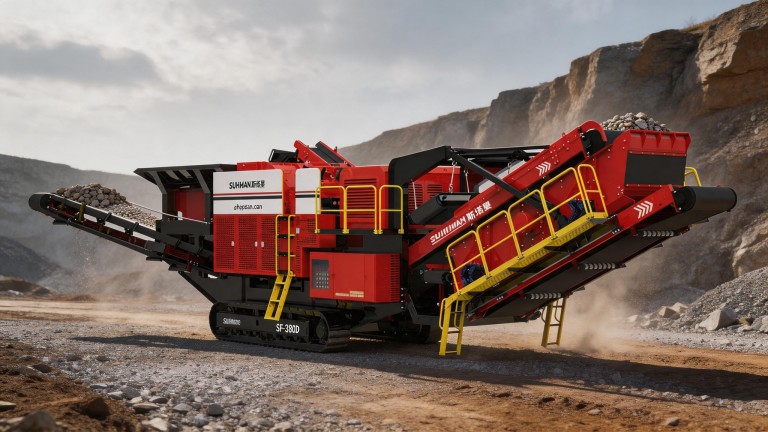
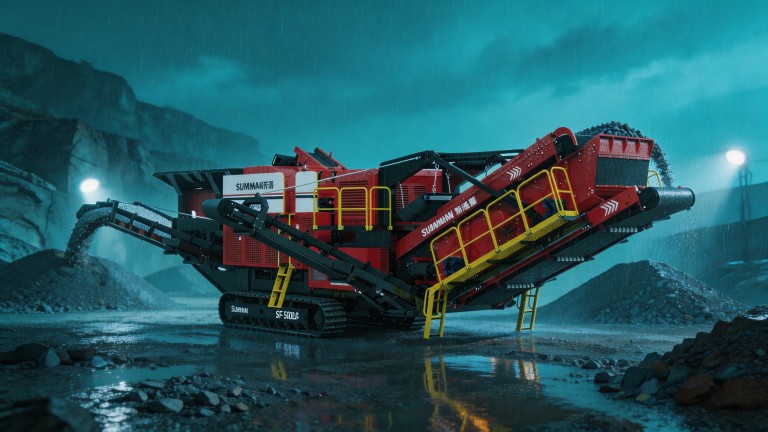
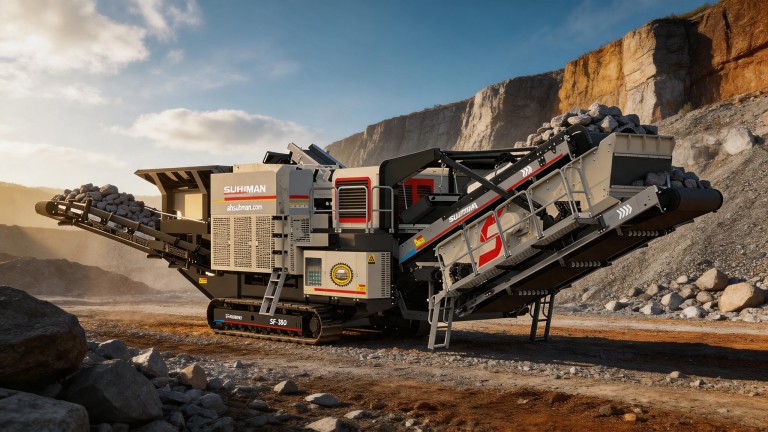
Choosing a compact rock crusher is a task that requires you to take into account your production needs, budget and operating conditions. In this article, we briefly explain where to look for suitable equipment and which key specifications to pay attention to, so that you make the right purchase.
Key parameters for evaluating a crusher
First and foremost, consider the maximum feed size, the type of crushing (jaw, rotary or cone) and the throughput. For domestic or small-scale construction use, models with a capacity of up to 2 cubic metres per hour are sufficient; for larger-scale projects, machines with higher capacity are more suitable. Also pay attention to noise levels and energy consumption, as these factors directly affect ease of use.
Where to look for suitable equipment
The best options are specialised online platforms for selling construction machinery, manufacturers’ official websites and major retail chains specialising in such equipment. You shouldn’t overlook tried-and-tested classifieds sites for second-hand machinery either; there you can find reliable models in good condition at prices 30–50% lower than new ones, but be sure to ask for the paperwork and take a test drive before buying.
How to avoid making a mistake when making your final choice
First, compare all the quotes you’ve gathered in terms of value for money; don’t just go for the lowest price, as this often masks poor build quality and the lack of a warranty. Be sure to check the terms of after-sales service and the availability of spare parts in your region; this will save you from downtime in the event of a breakdown. If possible, test the crusher on samples of the type of rock you will be working with on a regular basis, to ensure that the crushing results meet your requirements.