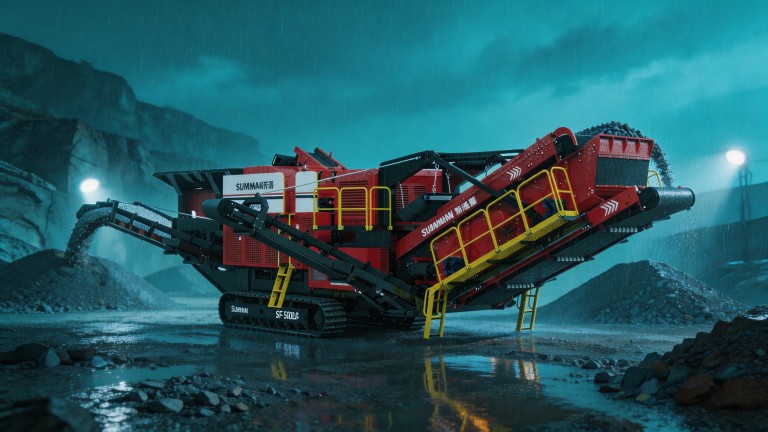
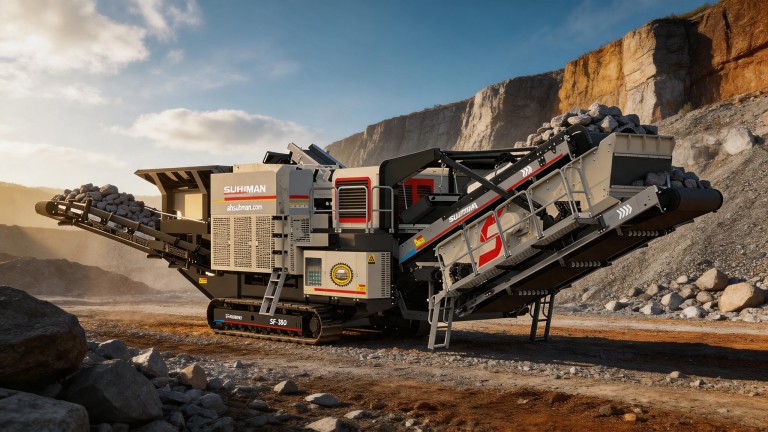
The reliability of a crusher over 1,000 operating hours is assessed using the MTBF metric, which reflects the average time between failures for this equipment, allowing for an objective assessment of its service life and operational stability over a standard operating interval; this is a key criterion for the selection and maintenance of crushing equipment at production sites.
The significance of the MTBF metric for crushers
MTBF, or mean time between failures, acts as a sort of health certificate for the crusher; it does not merely record figures, but indicates the extent to which the equipment is capable of withstanding constant loads during the processing of solid materials, without letting the owner down with sudden breakdowns throughout its stated service life.
Features of the assessment at the 1,000-hour mark
One thousand operating hours is the standard inspection interval for industrial equipment; during this period, the crusher undergoes all typical operating conditions, from start-up to scheduled maintenance, therefore the MTBF figure for this period reflects real-world operating conditions as closely as possible, rather than laboratory measurements.
Factors affecting the reliability index
The MTBF of a crusher over 1,000 operating hours is influenced by a number of factors: the quality of the equipment’s initial assembly, the hardness of the raw material being processed, the timeliness of scheduled maintenance, the operator’s compliance with operating procedures, and the load level, which must not exceed the threshold specified by the manufacturer.
The practical significance of the indicator for businesses
For manufacturing companies, a high MTBF figure over a 1,000-motor-hour period means reduced equipment downtime, lower costs associated with unplanned repairs and a stable production cycle, which directly impacts the ultimate profitability of the crushing sections and the enterprise as a whole.
Ways to improve the reliability of crushers
To increase the MTBF and ensure the crusher operates reliably for 1,000 operating hours or more, it is sufficient to follow the maintenance schedule, replace wear parts in good time, avoid overloading and carry out regular diagnostics of components, which will extend the service life of the equipment without unnecessary costs.