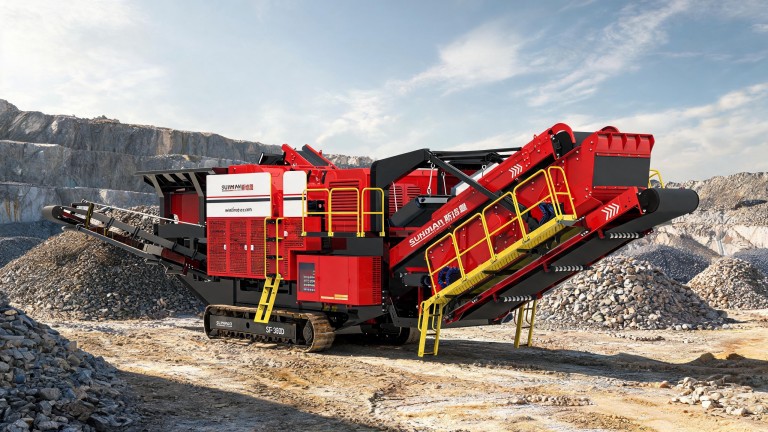
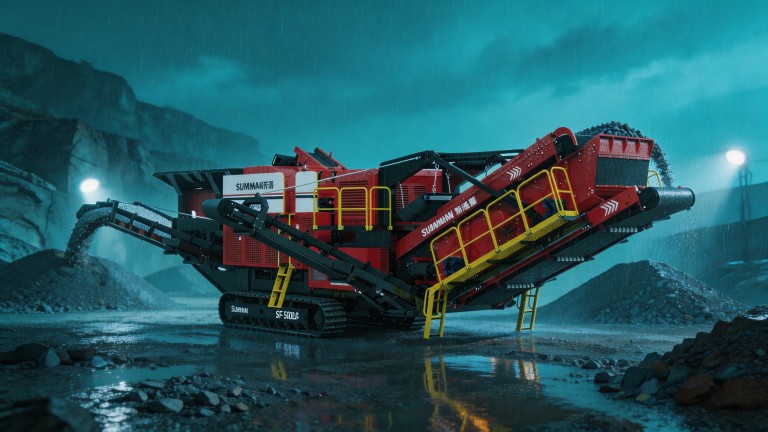
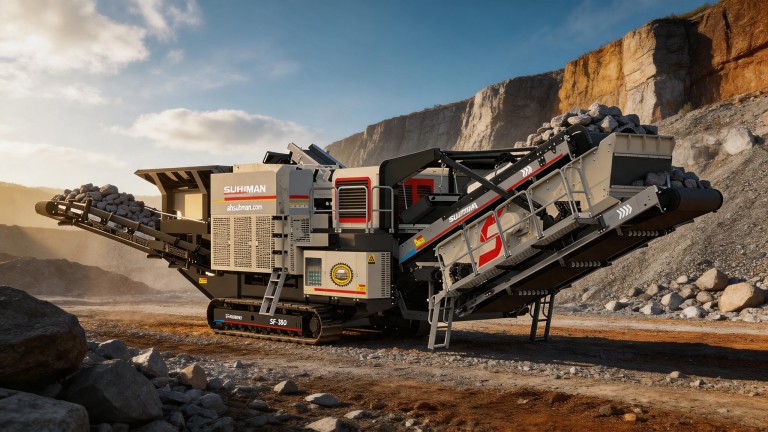
A mobile jaw crusher with a capacity of 200 tonnes per hour is a highly efficient mobile piece of equipment for crushing hard rock; it has specific operational characteristics, and the correct choice of model directly affects the stability and profitability of the production process.
Key features of the equipment with a capacity of 200 tonnes per hour
This crusher combines high productivity with a compact, mobile design; it is designed for continuous operation when processing granite, limestone and other hard materials, and is fitted with a reinforced jaw assembly and an optimised drive system, which reduces wear on components whilst ensuring a consistent output of specified-size fractions.
Key criteria for choosing the right model
Firstly, you need to compare the hardness and moisture content of the raw material to be processed with the permissible parameters of the specific crusher, then assess compatibility with downstream process equipment at the production site; it is also worth taking into account manoeuvrability requirements on the worksite and the availability of after-sales service in the region where the equipment will be operated.
Practical operational considerations for maximising service life
Regular checks of the gap between the jaws and the timely replacement of worn parts help to maintain the specified performance at a consistent level; the maximum permissible size of the raw material pieces being fed into the machine should not be exceeded, as this prevents the drive from being overloaded and reduces unplanned equipment downtime.