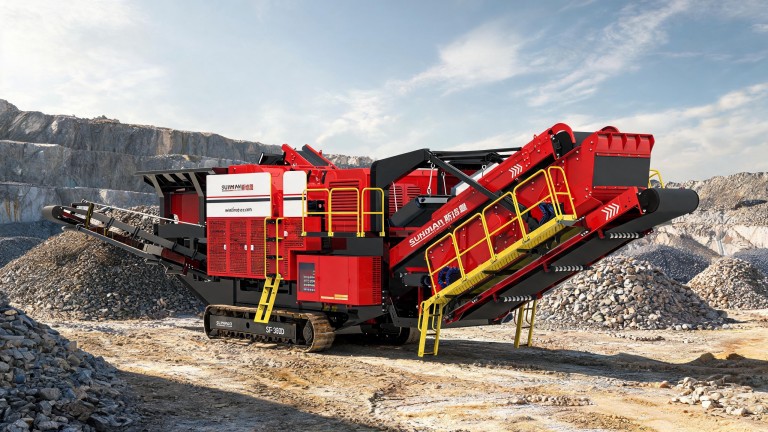
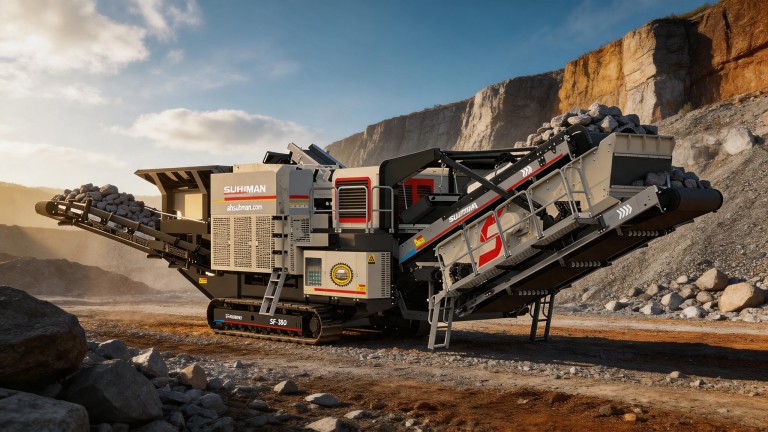
Replacing the bearings on a jaw crusher at a quarry is a critical process on which the stable operation of the entire production complex depends; understanding the key details and following the correct sequence of steps will help to avoid common mistakes and extend the service life of the equipment.
Preparing to replace the bearings
Before starting work, the crusher must be brought to a complete stop and locked out; a visual inspection of the associated components must be carried out; bearings must be selected precisely according to the manufacturer’s catalogue numbers; low-quality alternatives should not be used, as they will quickly fail under the high loads encountered in the quarry.
Common mistakes during removal and installation
Technicians often use heavy-duty impact tools to remove old bearings; this damages the seating surfaces on the shaft or in the housing. When fitting bearings, they must not be heated above the recommended temperature, as this destroys the internal structure of the metal and reduces the component’s service life several-fold.
Checking and adjustment after replacement
After fitting the new bearings, it is essential to check the clearance and the smoothness of the shaft’s rotation, carry out a test run of the crusher at idle speed, and monitor the vibration levels and temperature of the unit during the first few hours of operation; Timely adjustment will help prevent premature failure of the unit.