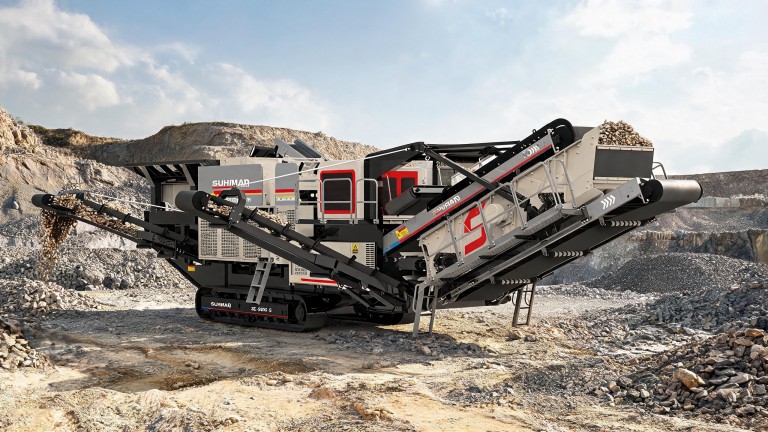
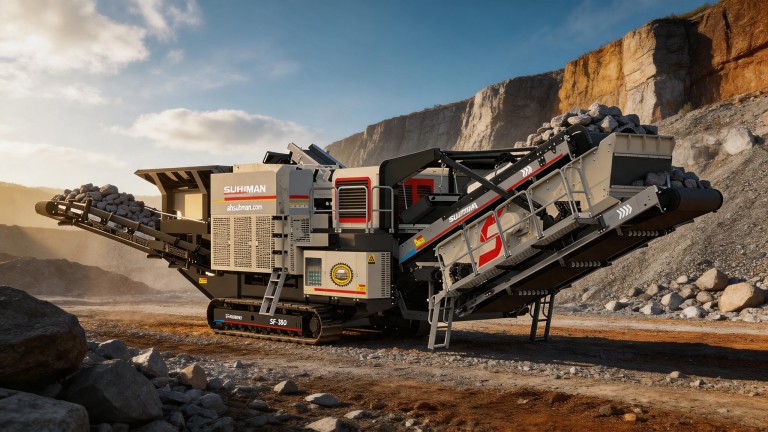
A mobile jaw crusher with a capacity of 200 tonnes per hour is an indispensable asset for quarries and construction sites, capable of processing hard rock on its own without the need for complex fixed installations. To choose the right model and buy it at a good price, you simply need to consider three key criteria that determine operational efficiency and the cost-effectiveness of the purchase.
Key criteria for choosing a model
First and foremost, pay attention to the width of the feed opening: it must be suitable for the size of the raw rock pieces you plan to process, to ensure the crusher does not jam when the material is fed in. Also check the type of undercarriage: the tracked version is suitable for challenging off-road sites, whilst the wheeled version is better for frequent travel between sites. You should also check whether it has a built-in finisher size control; this will allow you to adapt its operation to specific tasks without the need for additional modifications.
What to look out for when checking performance
Do not limit yourself to the stated 200 tonnes per hour; check at what hardness of the raw material the manufacturer specifies this figure: for granite and limestone, actual figures may vary by 10–15%. Check the service life of the jaw plates – these are the main wear parts, and running maintenance costs depend directly on their durability. Also, assess how easy it is to access the components for routine inspections; this will reduce downtime during regular servicing.
Where to buy a crusher at the best possible price
Compare quotes directly with official manufacturers rather than through intermediaries: this will save you up to 20% off the total cost and ensure you receive an official warranty on all equipment components. Check whether commissioning work and training for your staff on how to operate the system are included in the price; this will prevent any unplanned expenses after delivery. Also, look out for options involving partial payment or leasing if you do not wish to pay the full amount straight away; manufacturers often offer such terms to regular customers.