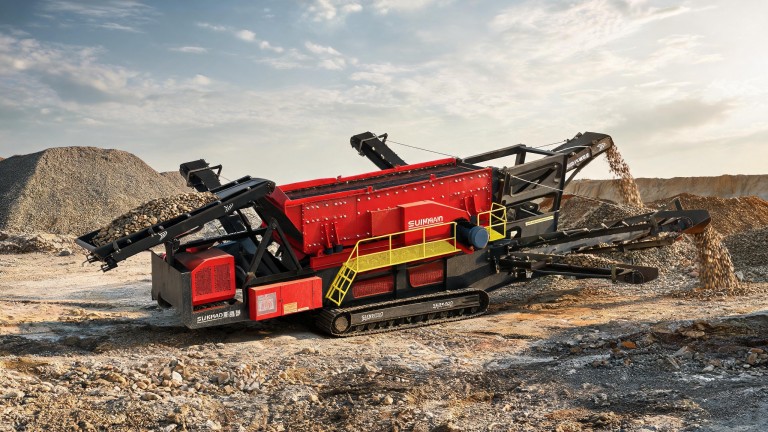
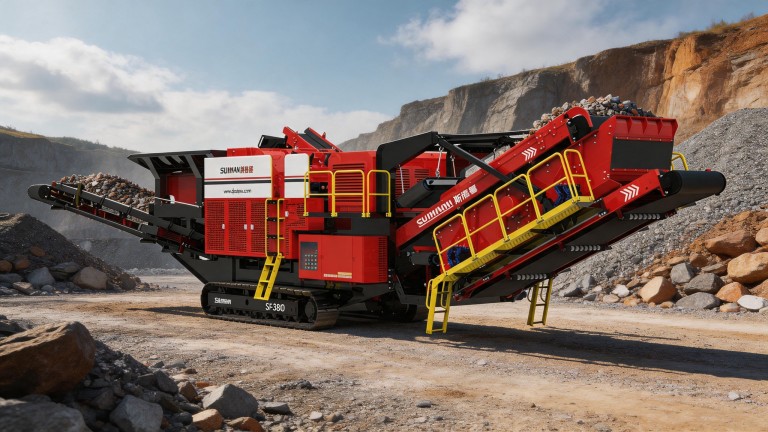
A rotary crusher is an indispensable tool for processing solid materials in the mining, construction and processing industries; current prices for 2026 range from 120,000 to 850,000 roubles, depending on capacity and configuration; reliable equipment can be purchased from manufacturers’ official distributors and certified retailers, complete with a warranty.
Key factors influencing the current price
The cost of a rotary crusher depends directly on its production capacity, the materials used for the rotor and crushing plates, the availability of additional features such as automatic adjustment of the output particle size and a dust collection system, as well as the manufacturer’s brand; equipment from well-known European and Chinese brands costs 20–30% more than comparable models from lesser-known companies, whilst current prices are regularly adjusted to reflect changes in exchange rates and the cost of metal on global markets; as of early August 2026, there has been a slight increase of 7–9% in the prices of medium-capacity models compared with the start of the year.
Reliable sources for purchasing equipment
The safest way to purchase a rotary crusher is through official distributors dealing directly with the manufacturers; they provide an official warranty of 12–24 months, carry out free installation and provide initial staff training, Furthermore, you can turn to certified industrial marketplaces, which verify that suppliers hold all the necessary permits. It is not recommended to purchase equipment on unofficial classifieds sites, even if the price is attractively low, In such cases, there is a high risk of receiving second-hand equipment with hidden defects, without the option of a refund or warranty service.
How to make sure you choose the right model
Before making a purchase, you should first clearly define the scope of the planned work and the type of materials to be processed; for crushing granite and basalt, you’ll need models with a reinforced alloy steel rotor, whilst standard medium-power versions are suitable for limestone and construction rubble; be sure to check with the supplier that spare parts are in stock in your region, as this will prevent equipment downtime should individual components fail. Also, pay attention to energy consumption; models with an optimised drive system can reduce electricity costs by 15–20% per year, which fully recoups the difference in initial cost within 2–3 years of operation.