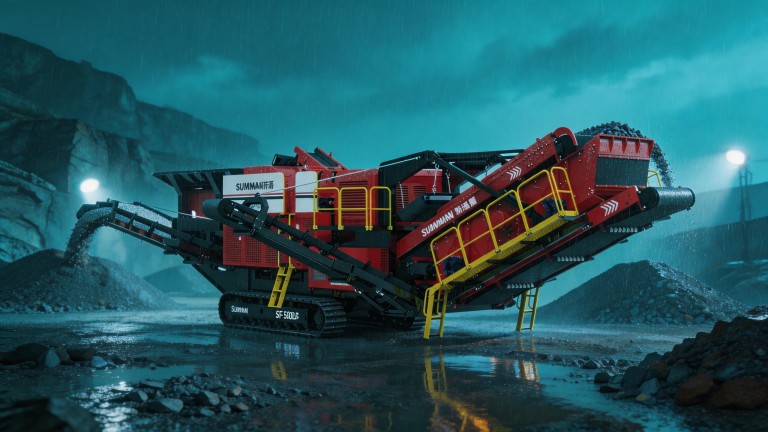
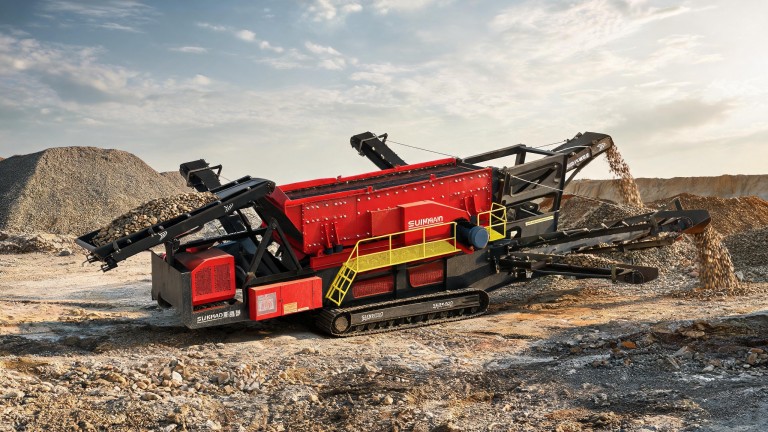
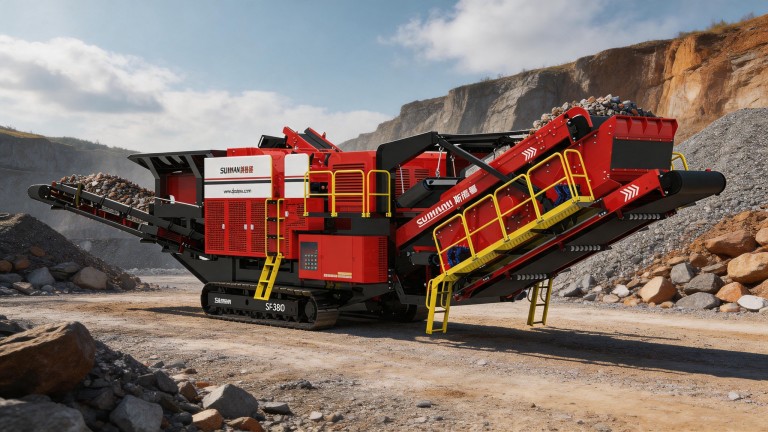
Buying an affordable stone crusher doesn’t mean you have to pay over the odds; you simply need to understand the key specifications and choose a reliable supplier to ensure you get equipment that will handle the tasks at hand without incurring unnecessary costs at the outset.
Key criteria for choosing an affordable stone crusher
First and foremost, you should consider the type of crushing: a jaw crusher is suitable for soft rock, a cone crusher is better for hard rock, and if you need to produce a uniform particle size, opt for a rotary crusher. Pay attention to the capacity; it should match the volume of your work. There is no point in choosing a machine that is too powerful if you do not plan to use it intensively, as this will only increase the cost.
Where to find good deals on crushers
The best way to save money is to check manufacturers’ official websites; they often run promotions on models from previous ranges, which are just as good as the new ones but cost 30–40% less. It’s also worth checking out platforms specialising in second-hand industrial equipment; there you can find crushers that are practically new, sold off due to production closures. They operate without any issues, and the price is half the market rate.
Things you shouldn’t skimp on when shopping
You shouldn’t go for the cheapest model from an unknown brand, as spare parts for these are often not readily available, and a breakdown could halt your operations for months. Make sure to check that there is a warranty of at least one year; even if the crusher is inexpensive, the manufacturer must guarantee the quality of its parts, otherwise you risk spending more on repairs than you saved on the purchase.
Further tips for ensuring your equipment has a long service life
Immediately after purchase, adjust the crusher to suit the specific type of rock; this will reduce wear and tear on the working parts and extend its service life by several years. Carry out regular preventive inspections and replace worn parts in good time, without waiting for them to fail completely; this will help you avoid the expense of costly major repairs and maintain a consistent level of productivity.