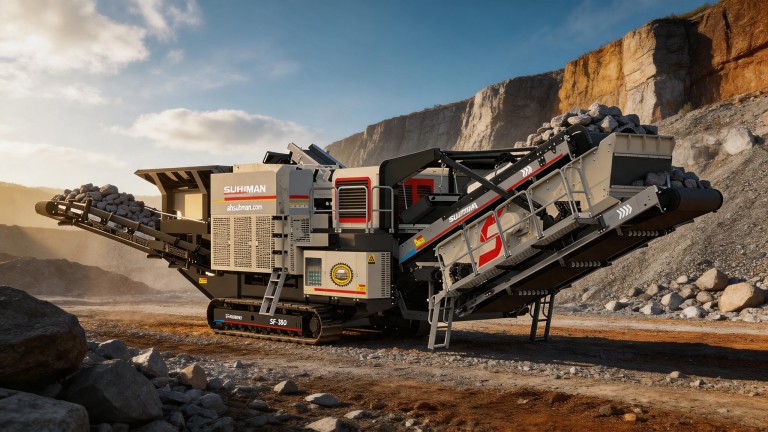
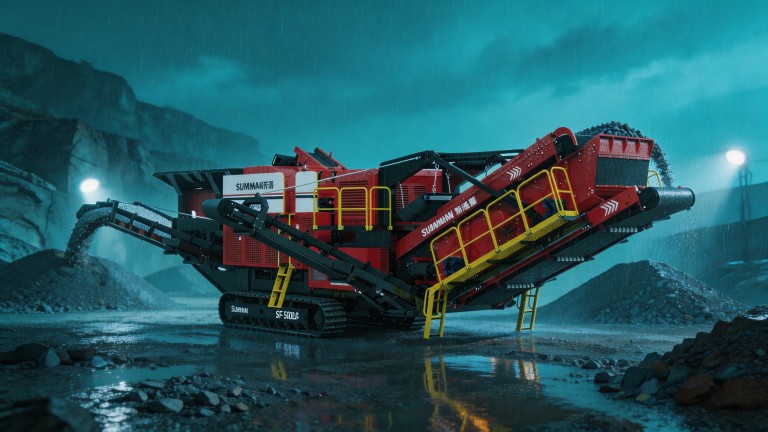
If you are looking for a self-propelled rock crusher, it is worth choosing models from manufacturers with a proven track record, comparing offers from authorised dealers and taking your actual productivity requirements into account — this will help you keep costs down and ensure you get reliable equipment that will last.
Key criteria for making the right choice
First, assess the type of rock to be crushed and the required output size: jaw crushers are suitable for hard rock, whilst rotary crushers are suitable for rock of medium hardness. Pay attention to the throughput in tonnes per hour; this should match the volume of your work – there’s no point in overpaying for excess capacity. Also, check that after-sales service is available in your region to avoid downtime in the event of breakdowns.
Where to look for good deals
The best deals are usually offered by manufacturers’ official distributors, who often run promotions for regular customers and provide an official warranty. Don’t overlook reputable retailers selling certified equipment; you can sometimes find models there with minimal mark-ups. Steer clear of dubious offers from unknown sellers, as they often conceal defects and do not provide any warranty cover.
What to look out for before buying
Check the external condition of all the crusher’s components, as well as the operation of the motor and control system, during a test run. Clarify the terms of delivery and initial commissioning; many sellers include these services in the purchase price. Also, look at reviews from actual owners of the specific model; this will help you identify any hidden faults that are not mentioned in the official descriptions.
The advantages of self-propelled models over stationary ones
Self-propelled crushers do not require complex installation at a fixed location; they can be quickly moved to another site without incurring additional costs for dismantling and transporting individual parts. They are self-contained and, as they have their own diesel generator, do not need to be connected to the mains electricity supply, making them the ideal choice for work on remote construction sites and quarries. When properly maintained, they have a service life at least as long as that of their stationary counterparts, whilst offering far greater flexibility in organising work processes.