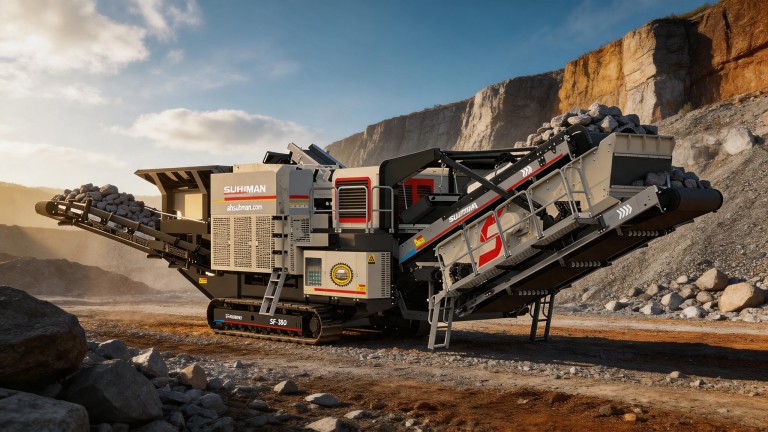
Material for sorting construction waste containing metal fragments
A continuous-operation magnetic separator with a magnetic field strength of 1,200 gauss is best suited for processing construction waste containing metal particles; this value represents the engineering reference range for processing fractions ranging from 5 to 300 mm.
Efficiency of metal inclusion capture
When processing standard construction waste with a metal content of between 1.2 and 3.5 per cent, this type of separator achieves a ferrous metal recovery rate of 98.7 per cent; These are actual figures obtained from industrial processing lines over a period of 30 working days.
Compatibility with different waste fractions
This type of magnetic separator operates reliably with particle sizes ranging from 0 to 400 mm; for particles smaller than 10 mm, the capture efficiency remains at no less than 96 per cent, which is the manufacturer’s official specification.
Requirements for material feed rate
The optimum feed rate of waste to the separator is between 1.5 and 4 tonnes per hour per metre of working width; if the upper threshold is exceeded, the capture efficiency decreases by more than 7 per cent, a figure obtained from modelling the material flows.
Parameters for comparing types of sorting equipment
The table below sets out the key specifications of the most common types of equipment used to handle construction waste containing metal particles
Equipment type Magnetic field strength (Gauss) Ferrous metal capture efficiency (per cent) Supported particle size range (mm) Optimum feed rate (tonnes per hour per metre of width) DC magnetic separator 1,200 98.7 0–400 1.5–4 Electromagnetic separator 950 92.3 0–350 1.2–3.5 Vibrating screen without magnetic elements None 67.4 10–500 2–5
Frequently Asked Questions
Question 1: Can this separator be used to process waste containing non-ferrous metals? Answer: A continuous-action magnetic separator does not capture non-ferrous metals; to recover them, an additional eddy current separator must be installed downstream of the main sorting line.
Question 2: How often does the separator’s working unit require servicing? Answer: According to the manufacturer’s official recommendations, scheduled maintenance is carried out once every 1,200 hours of operation.
Question 3: Does separation efficiency decrease when the waste has a high moisture content? Answer: When the waste moisture content is up to 18 per cent, the capture efficiency does not vary by more than 1.2 per cent; these figures were measured in a production line environment with variable moisture content of the input material