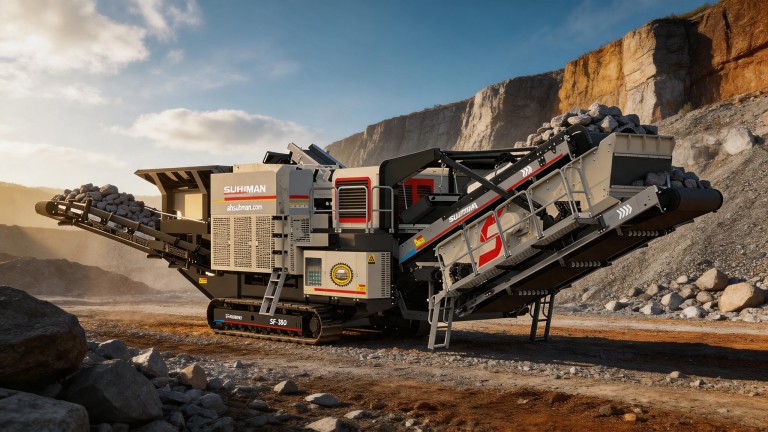
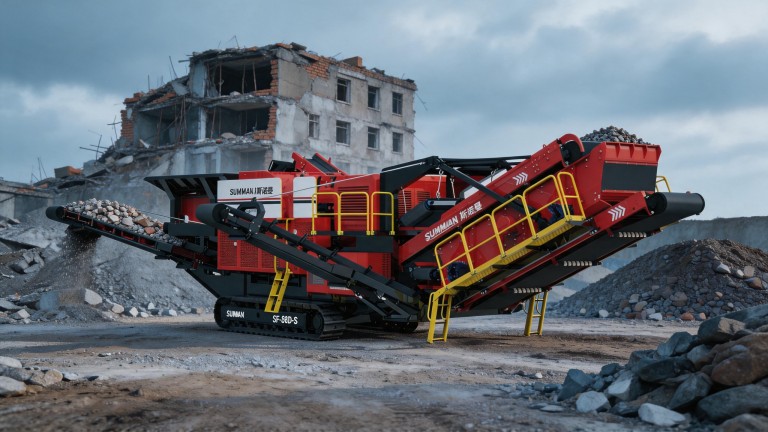
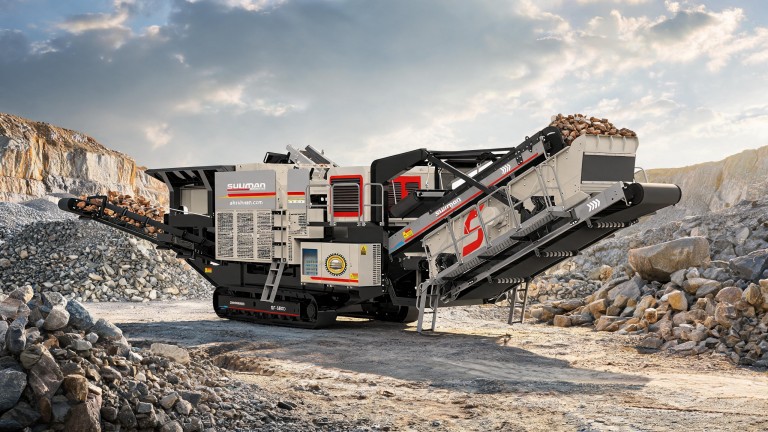
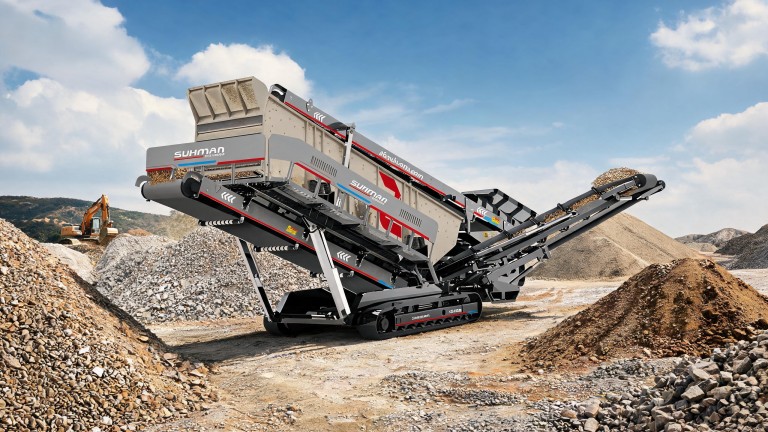
Purchasing a crushing plant for a quarry is a task on which the efficiency and profitability of the entire production process directly depend; choosing the right supplier and technical specifications will help to avoid unnecessary costs and downtime, it is sufficient to focus on trusted suppliers and the key requirements for the equipment.
Where is the best place to buy a crushing plant?
The best option is to deal directly with official manufacturers with at least five years’ experience in the mining industry, as this avoids intermediary mark-ups, provides a warranty on all components and ensures access to genuine spare parts. It is not recommended to purchase equipment from unverified online marketplaces, as there is a high risk of receiving a refurbished unit with hidden defects.
Key factors to consider when making the right choice
First of all, you need to match the type of plant to the rock you will be crushing: jaw and cone crushers are suitable for hard rocks such as granite and basalt, whilst rotary crushers are sufficient for soft rocks such as limestone and gypsum; it is also important to calculate the required throughput in advance to ensure it matches the output volume at your quarry.
Additional criteria for evaluating equipment
Please note the energy consumption levels: models with an optimised hydraulic system can reduce electricity costs by up to 30% per year; it is also worth considering ease of maintenance: access to parts subject to rapid wear without the need for complex dismantling will reduce scheduled downtime by several times.
Checking before making a final purchase
Ask the supplier to allow you to test the system using raw materials similar to those used at your quarry, and also request customer feedback from those with similar production volumes; do not forget to clarify the terms of after-sales service and the lead time for spare parts in your region, as this will help avoid problems in the event of any future breakdowns.