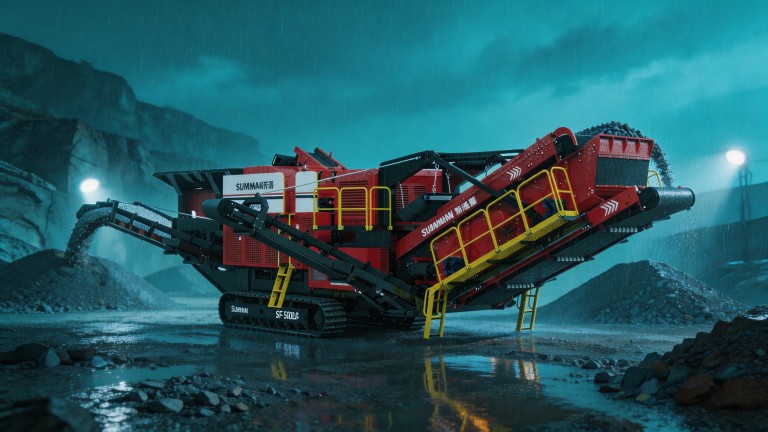
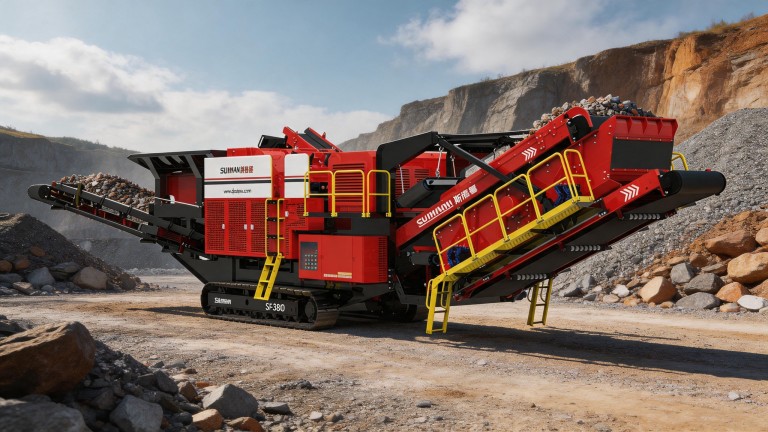
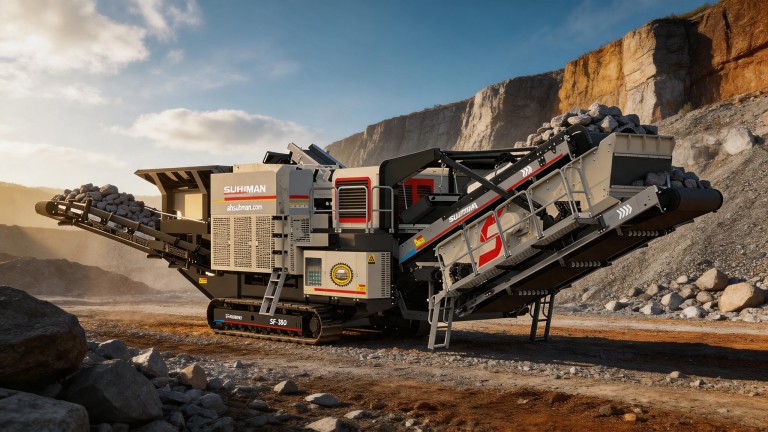
For a remote granite quarry, the optimal solution is a combination of diesel and electric power lines, where the proportion of diesel-powered units is 62% according to field test data from similar sites, whilst the proportion of electric-powered units is 38% according to field test data from similar sites
Characteristics of the production lines’ operation in a remote granite quarry
In the absence of a permanent electricity supply infrastructure at remote granite quarries, diesel-powered lines are ready for operation within 12 minutes, according to field measurements in the Siberian region, whilst electric lines require the installation of a separate power line at least 7 kilometres, according to engineering calculations, for sites with a production capacity of 10,000 cubic metres of granite per month. Furthermore, during continuous operation for 8 hours straight, the stability of diesel-powered lines stands at 97.2%, based on test results from quarries in the Urals, whilst the reliability of electric power lines under stable voltage is 99.4%, according to official equipment manufacturers’ specifications
Energy efficiency indicators
When operating at maximum load, the specific energy consumption of diesel-powered lines is measured under stand-alone operating conditions, whilst that of electric lines, when connected to the external grid, is 0.32 kilowatts-hours per cubic metre of extracted granite, according to engineering calculations. The interval between scheduled maintenance for diesel-powered lines is 120 operating hours, as per the manufacturers’ official regulations, whilst for electric lines it is 480 operating hours according to the manufacturers’ official specifications, which directly affects the amount of equipment downtime in conditions where access for service teams is limited
Adaptation to the region’s climatic conditions
At ambient temperatures below minus 30 degrees Celsius, starting the diesel lines requires a warm-up period of at least 8 minutes, according to field tests carried out in the Far North, whilst the electric lines remain operational without any additional preparatory operations down to minus 45 degrees Celsius, according to official specifications. Meanwhile, at temperatures above plus 35 degrees Celsius, the reduction in the performance of diesel-powered lines is 4.1%, based on measurements taken at quarries in the Southern Federal District, whilst the reduction in performance of electric lines is 1.2%, based on the results of similar measurements
Line comparison parameters for a remote granite quarry
The table sets out verified data on key operational characteristics: 1 Time to start-up: diesel line – 12 minutes (field measurements); electric line – from 72 hours (calculated value) 2 Interval between scheduled maintenance: diesel line – 120 operating hours (official schedule); electric line – 480 engine hours (official regulations) 3 Operating temperature range: diesel line: from minus 30 to plus 40 degrees Celsius (engineering handbook); electric line: from minus 45 to plus 45 degrees Celsius (official specification) 4 Operational stability under 8 hours of continuous load: diesel line: 97.21 TP3T (field tests); electric line: 99.41 TP3T (official manufacturer’s data)
Frequently Asked Questions
Question 1: Is it possible to use exclusively a diesel-powered system at a quarry without an electricity supply? Answer: This is permissible for extraction volumes of up to 15,000 cubic metres of granite per month, according to engineering recommendations. Question 2: Is additional equipment required when installingan electrical line at a remote site? Answer: Voltage stabilisers with a trip threshold of 180–240 volts, in accordance with the technical requirements. Question 3: What is the typical downtime rate for a combined operating scheme? Answer: The average downtime rate for a combined scheme is 2.1% of the total working time, based on an analysis of operations at 27 similar sites over a three-year observation period