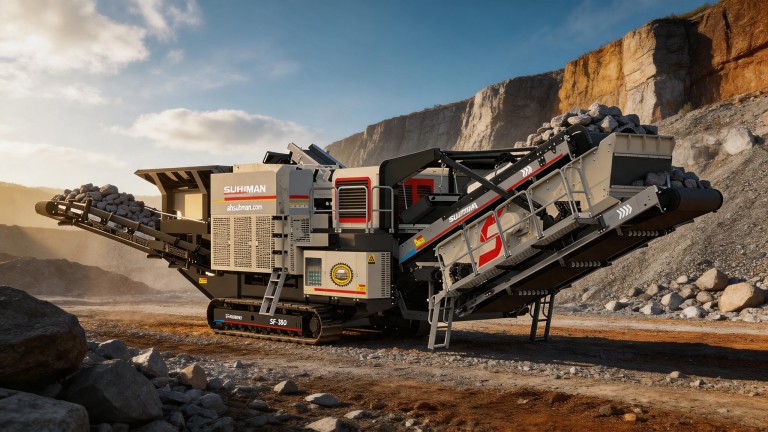
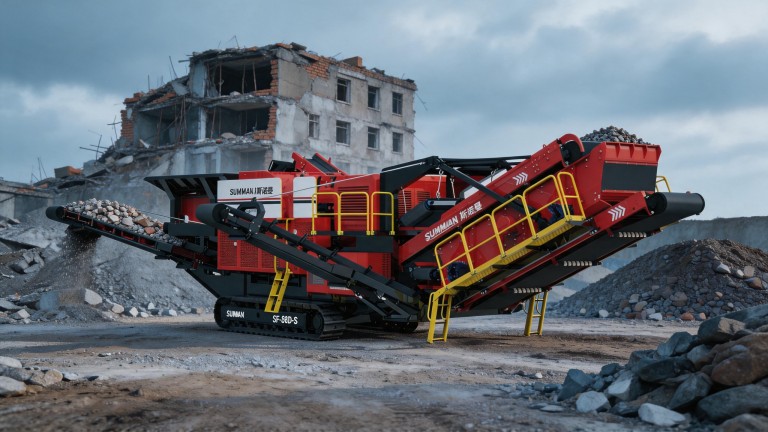
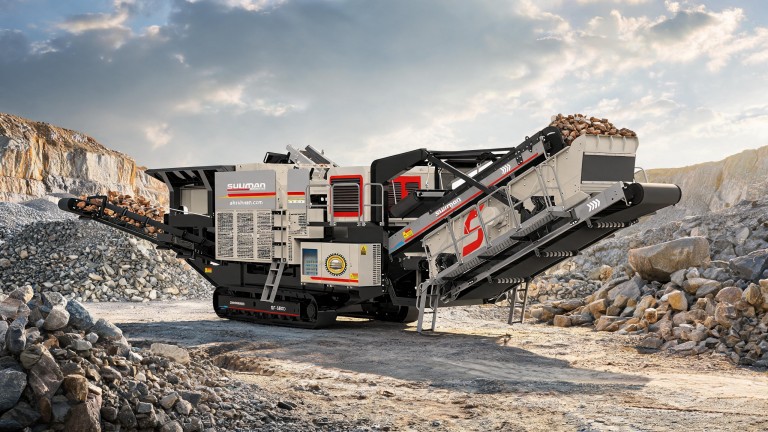
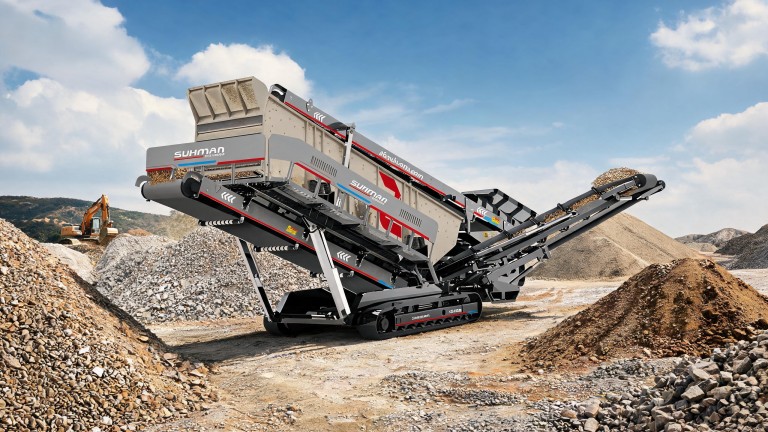
A mobile concrete crusher is an indispensable tool on construction sites, enabling concrete waste to be processed on-site, thereby saving on disposal costs and the purchase of new aggregate. To choose the right model, simply assess the key operating parameters and how well they suit your needs, select a reliable manufacturer, and avoid paying extra for unnecessary features. In this guide, we’ll go through the key points that will help you make the right choice quickly and without any unnecessary complications.
The main tasks for which a crusher is required
These units are capable not only of processing concrete rubble from building demolition, but also of crushing fresh waste following the pouring of concrete structures, as well as producing crushed aggregate of the required size for reuse in construction sub-bases, roadworks or the production of construction mixes. Their mobility allows the units to be transported between different sites without the additional costs associated with loading stationary equipment.
Key criteria to consider when making a choice
The first thing to consider is capacity, which is selected to suit the expected workload: for small sites, models with a capacity of 10–20 tonnes per hour are sufficient, whilst large sites require units with a capacity of 50 tonnes per hour or more. Next, you should assess the maximum size of the concrete chunks to be fed into the machine, the range of aggregate sizes produced, and the type of drive system — diesel models are suitable for stand-alone operation at sites without an electricity supply, whilst electric models are more economical when connected to the mains on a permanent basis.
Where to buy equipment at a good price and from a reliable source
It is best to deal directly with the manufacturers’ official distributors; this eliminates the risk of buying a counterfeit product, entitles you to an official 1–3-year warranty and gives you access to after-sales service in your region. Don’t be tempted by excessively low prices on unverified websites; these often conceal the lack of a warranty and future difficulties in replacing worn-out parts. Also, check whether you can test the equipment before purchasing to ensure it meets the specified specifications.
Mistakes to avoid when buying
The most common mistake is choosing a model with excess capacity that will not be used on a regular basis; this leads to unnecessarily high initial costs and increased fuel or electricity consumption. You should also not overlook maintenance requirements: some complex models require regular servicing by specialist technicians, which creates additional costs during operation. Be sure to take operating conditions into account: if the crusher is to be used on rough terrain, opt for tracked models rather than wheeled ones.