Don’t go!
Please get in touch, and our engineers will draw up a bespoke solution for your project.

A rotary crusher for producing cuboid-shaped crushed stone is an indispensable piece of construction equipment that produces high-quality output. When choosing one, consider its capacity, the size of the feed material, the crushed stone size, the drive type and the service life of the components. It produces uniform, cuboid-shaped crushed stone, which enhances the strength of structures. To ensure a long service life, check the blades regularly, avoid overloading the machine and carry out routine maintenance.


The 2026 mobile rotary crusher for construction waste processes waste directly on site, saving on removal costs and producing reusable material. When choosing a model, consider its capacity, rotor type and manoeuvrability; the 2026 models feature built-in safety protection and are fuel-efficient. Order from official distributors, compare offers – for small businesses, leasing options are available with no initial deposit.

A rotary crusher for limestone should be selected to suit the production requirements, without overpaying for unnecessary features. Key criteria: throughput, particle size distribution and the service life of the hammers. It is not worth chasing the lowest price or buying an overly powerful model. To save money, contact reputable manufacturers directly, compare quotes and decline any unnecessary services.

The liners in cone crushers protect the equipment from impact and friction; the choice of liners affects the service life of the machinery and the cost-effectiveness of operations. When selecting parts, consider the material in relation to operating conditions and compatibility with the crusher model; check certificates and the condition of the parts; buy from authorised dealers; and do not compromise on quality.

Spare parts for hydraulic cone crushers are essential for their reliable operation; when selecting them, ensure they are compatible with your model and made from wear-resistant chromium-alloyed steel. Choose suppliers with at least five years’ experience, relevant certifications and references from the mining and construction sectors; do not be tempted by low prices, and ensure the warranty is for at least 12 months.

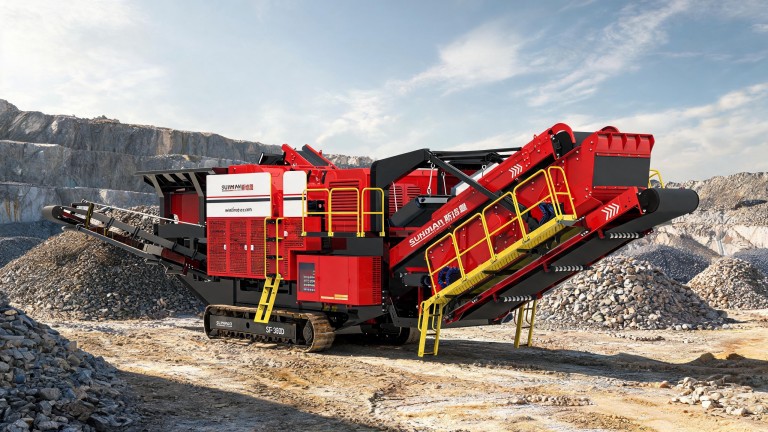
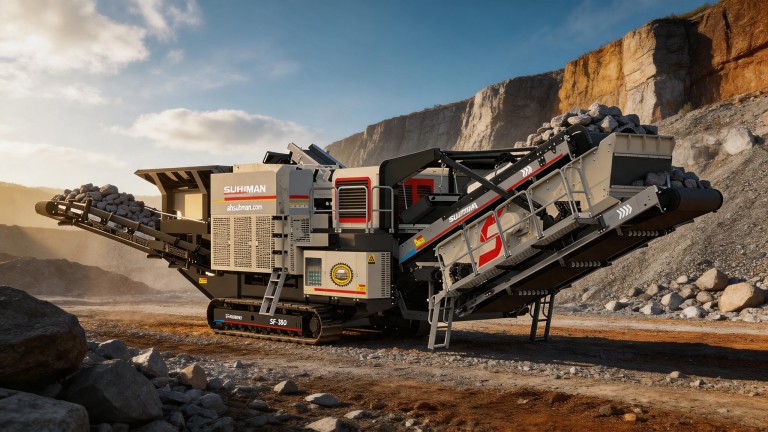
A tracked cone crusher is indispensable in quarries: it is manoeuvrable, self-propelled and reduces transport costs. When choosing a model, consider the type of rock, the required throughput, the particle size and the load-bearing capacity of the tracks. Do not buy a model with excessive throughput, and do not overlook the availability of local service centres.

The choice of a hydraulic cone crusher for a quarry affects the equipment’s productivity and service life. It is necessary to assess the load parameters, rock characteristics and budget: select a model suited to the hardness and size of the rock pieces, ensure a capacity with a margin of no more than 20%, and check that the hydraulic system is of high quality, featuring protective measures and reliable components.

A cone crusher for basalt is selected based on the rock’s hardness, throughput, feed size and final product size (a standard chamber for medium crushing, a short head for fine crushing). Choose models with reinforced, wear-resistant components and service them regularly to extend their service life. Buy directly from official distributors to save money by avoiding middlemen.

A cone crusher with a capacity of 200 tonnes per hour costs between hundreds of thousands and millions of roubles; the price depends on the design, specifications and manufacturer. When making your choice, consider whether the specifications match the required particle size, the service life of the components and the after-sales service, and do not skimp on overload protection. It is more cost-effective to buy directly from reputable manufacturers; do not purchase second-hand models without a full diagnostic check.

A cone crusher for cuboid crushed stone is a reliable piece of equipment for manufacturers. When making a choice, factors such as the volume of work, raw materials, throughput, feed opening size and particle size settings are taken into account. The special configuration of the crushing chamber and the cone’s stroke prevent the inclusion of non-standard materials, and it is more cost-effective to purchase from direct, trusted suppliers without mark-ups.