Don’t go!
Please get in touch, and our engineers will draw up a bespoke solution for your project.

A rotary crusher with a capacity of 150 tonnes per hour is in high demand; its price depends on the materials, the rotor, the automation, the specifications and the manufacturer. It is more cost-effective to buy directly from official manufacturers, avoiding cheap offers from dubious suppliers. Before purchasing, check the certificates and warranty, and consult specialists to ensure the machine is suited to your specific requirements.

A self-adjusting cone crusher is an efficient piece of equipment for crushing mineral raw materials: it offers stable throughput, a low failure rate, automatic gap adjustment and protection against jamming. When selecting a model, consider the type of raw material, throughput, particle size, installation space and the availability of spare parts; compact models are suitable for small to medium-sized operations, whilst heavily loaded production lines require models with real-time monitoring – opt for tried-and-tested manufacturers.

A jaw crusher is a piece of industrial equipment; its price ranges from 150,000 to several million roubles, depending on its capacity, the materials used in its components, the availability of additional options, and the type of production. You can distinguish a high-quality machine from a counterfeit by checking the manufacturer’s markings, certificates, smooth welds, smooth operation and the availability of after-sales service. Attractive offers are available from authorised dealers and at industrial trade fairs and exhibitions; it is also possible to purchase tried-and-tested second-hand equipment with a residual warranty.


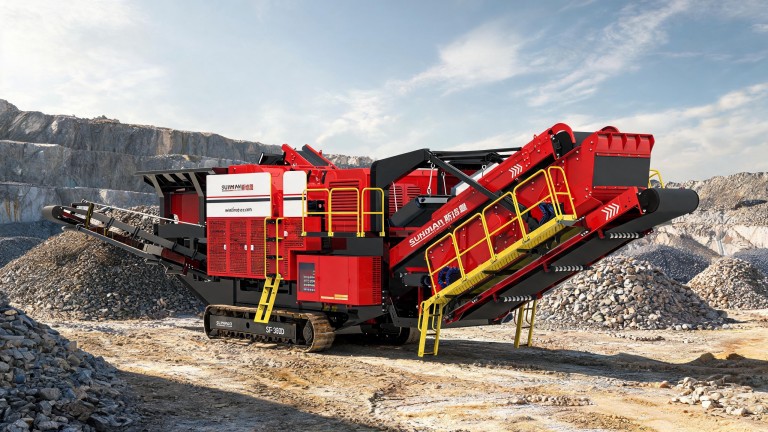
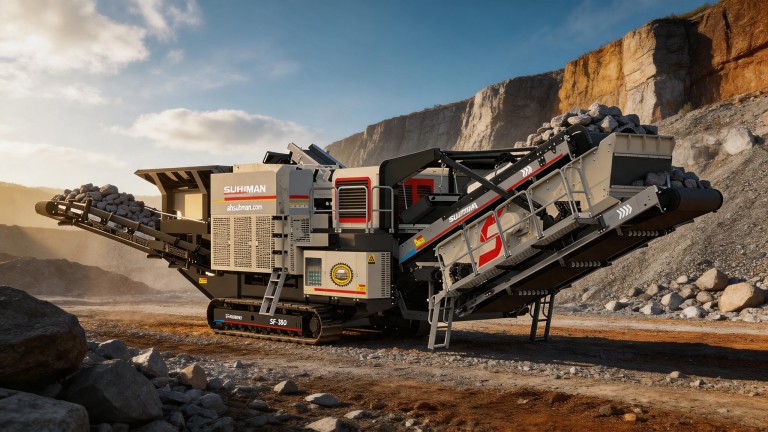
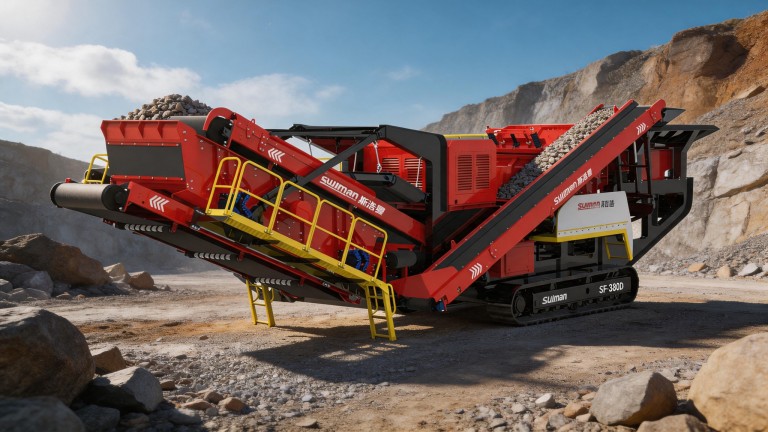
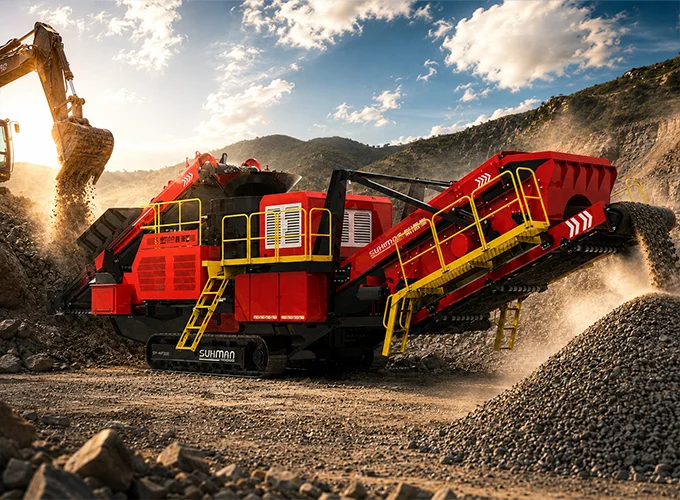
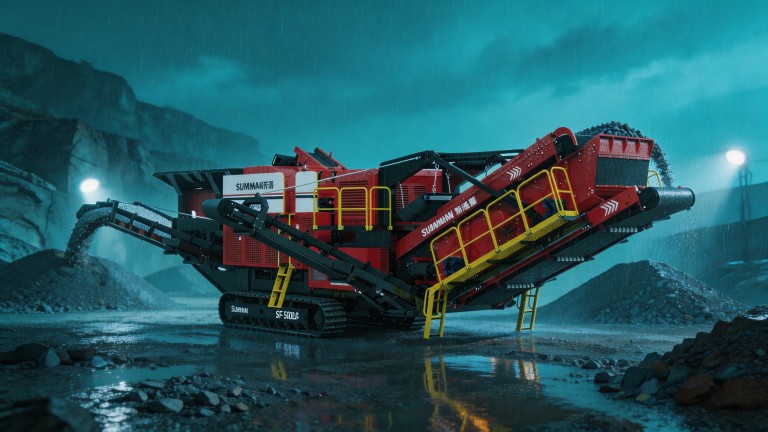
The mobile jaw crusher, with a capacity of 300 tonnes per hour, offers high productivity and manoeuvrability, requires no permanent installation and reduces logistics costs. When selecting this equipment, factors such as the type of raw material, site conditions, ease of maintenance and compatibility with existing production lines are taken into account.

The choice between a mobile and a stationary crusher should be based on production requirements, operating conditions and budget: stationary crushers are suitable for permanent sites with high processing volumes, whilst mobile crushers are ideal for work at various remote sites, helping to reduce logistics costs.

Mobile crushers, widely used on construction sites and in mining operations, have hidden drawbacks: low throughput (a drop of 30–40%) when processing hard rock, coupled with a high breakdown rate, rapid wear of components (by 25–30%) and high maintenance costs, as well as imprecise adjustment of the output size, requiring reprocessing; it is therefore important to take these factors into account in advance when making a selection.

When purchasing a mobile jaw crusher for granite, you should take key specifications into account (feed opening size, throughput, jaw strength, and power output relative to the volume of work), and check that it has a reinforced undercarriage and a particle size adjustment mechanism. Order from official distributors, check the warranty, take advantage of seasonal discounts, and avoid middlemen.