Bạn vẫn chưa nhận được bản tính toán miễn phí và mức giá chính xác. Hãy để lại thông tin liên hệ, các kỹ sư của chúng tôi sẽ đưa ra giải pháp phù hợp riêng cho dự án của quý vị.
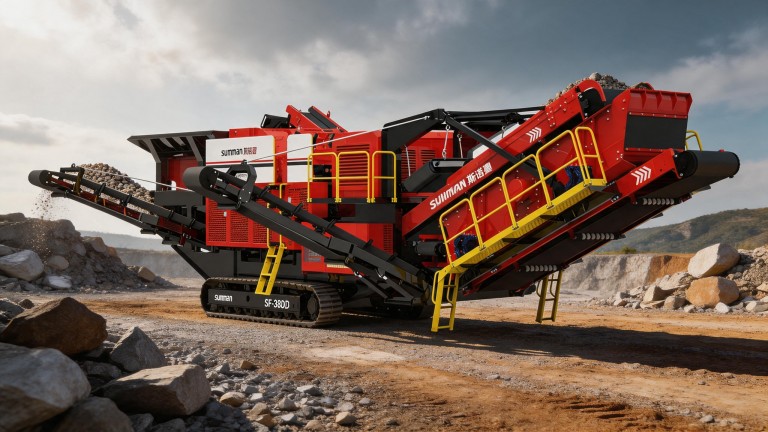
PE500x750 Mobile Jaw Crusher: How to Verify Powerful Performance Claims
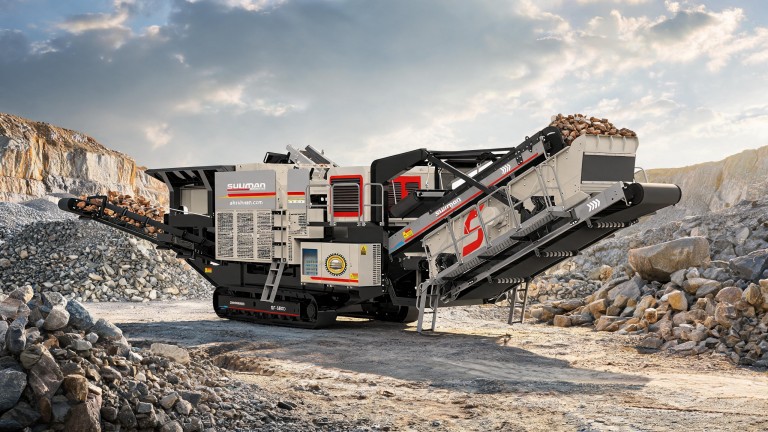
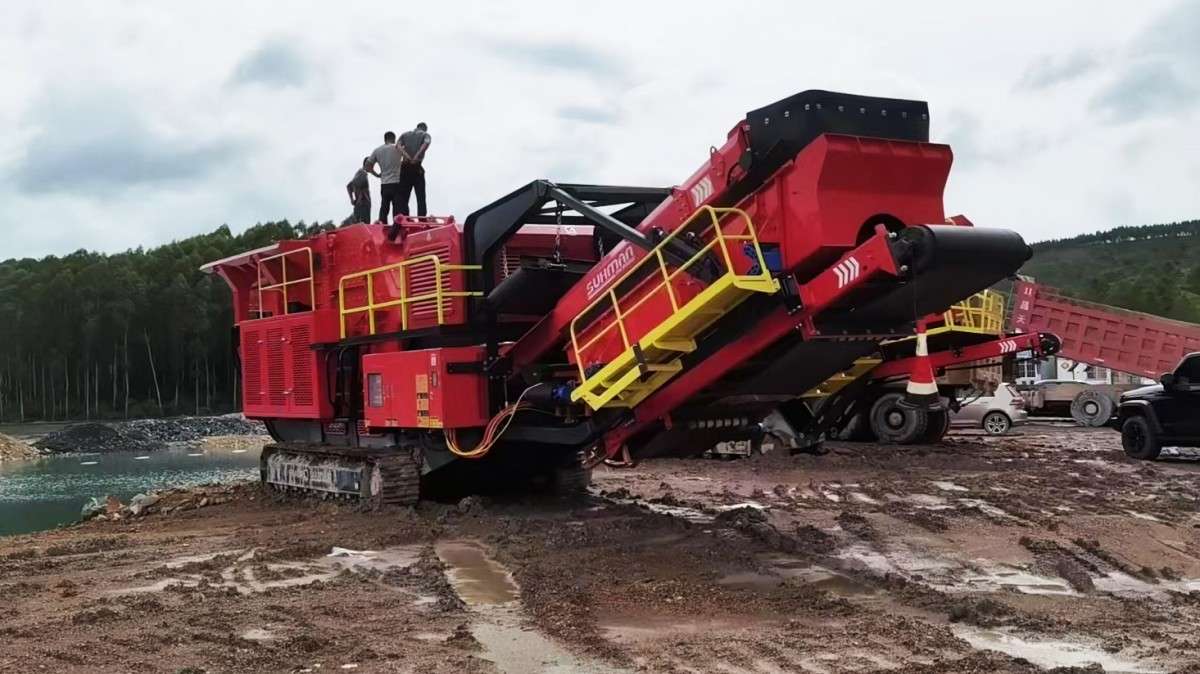
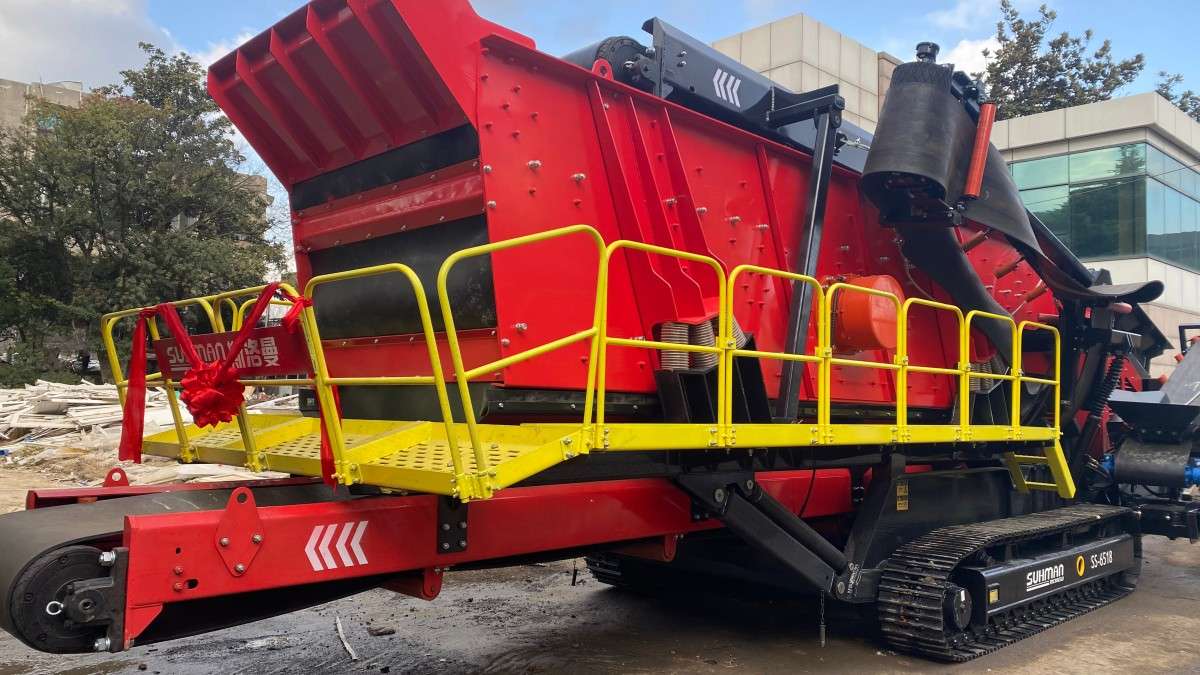
Before you buy a PE500x750 mobile jaw crusher, verify the configuration, power system and measured output. Use this checklist to keep claims honest and protect
PE500x750 tells you the nominal feed opening size in millimetres — roughly 500 mm wide by 750 mm long. That is the useful part. It does not tell you:
Whether the power source is a diesel engine, electric motor, or dual drive;
The crusher’s actual maximum CSS (closed side setting) or stroke profile;
The mobile chassis type (tracked, wheeled, containerised);
The screening attachment, if any;
The conveyor stacker configuration.
Each of these variables changes real-world throughput and operating cost more than the jaw geometry alone. The model number is the label, not the performance guarantee. So the first step in evaluating any «powerful performance» claim is to force the manufacturer to publish the configuration behind it. The current SUHMAN public record does not identify the standard model name, series, or power system for this equipment, so until that data is supplied, a capacity figure cannot be responsibly printed here.
Three types of information you need to separate
Measured facts are test results from a named machine under stated conditions: run time, feed material, output grading, and power used. These come from a test report or a documented site measurement — nobody should accept them as a company brochure statement.
Engineering estimates are calculations made from known geometry and standard material properties. They are useful for budgeting but have uncertainty of 10–20 percent until proven on your feed.
Recommendations are operational judgements — for example, «set the discharge opening at 60–80 mm for this aggregate demand.» They are only valid if they follow from the two levels above.
If you ask a supplier about production and they quote a number without specifying the feed material, the set opening, and whether it is a measurement or a calculation, the answer is incomplete. Treat it that way.
Decision checklist: inputs a buyer must provide or request before selection
Use this table when collecting offers. It does not replace the manufacturer’s technical specifications; it organises the information gap so no party can hide behind vague wording.
Verify item
Why it matters for you
What must be answered
Power source and consumption
Determines fuel or electricity cost per tonne at your site
Engine or motor brand, rated power, voltage/frequency for your region; measured or estimated fuel/litre per hour
Standard model name and series
Confirms the crusher, chassis and screening options you are actually quoting
Exact model designation, configuration, mobile base type (tracked/wheeled) and whether it is standard or custom
Jaw chamber and discharge adjustment
Controls your final aggregate grading
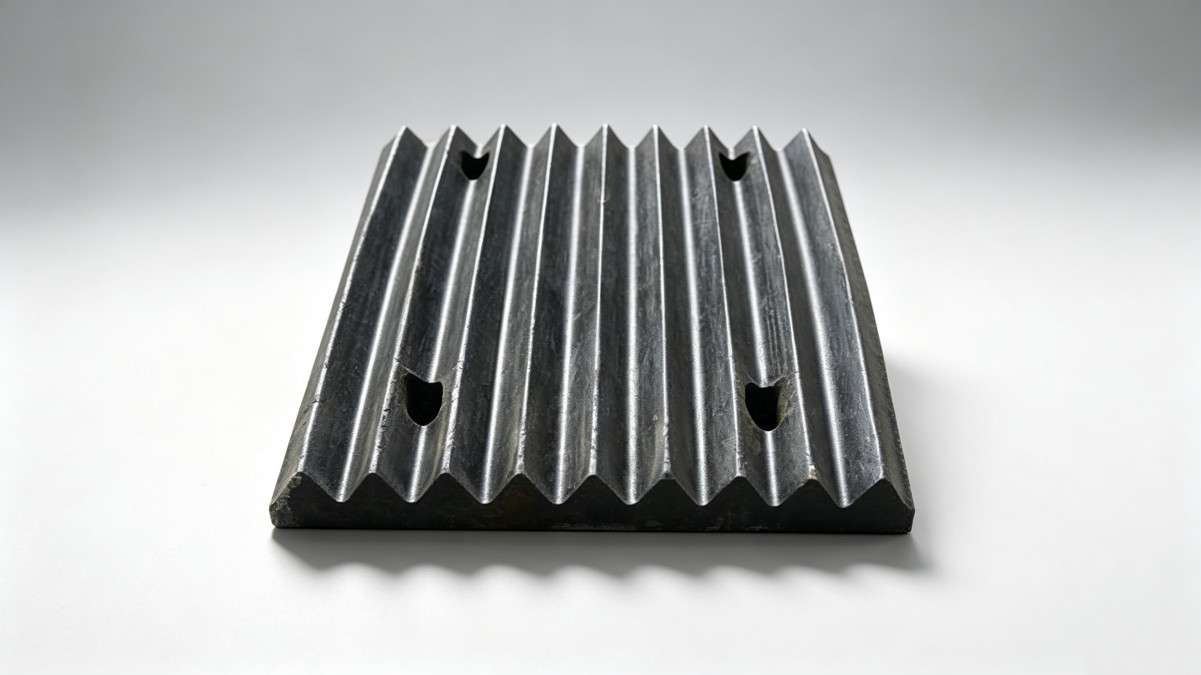
Chamber/cavity type, min–max closed side setting range, hydraulic versus mechanical adjustment
Feasible feed size and material
Protects you against sourcing oversize rock
Supplier-declared max feed, acceptable compressive strength range, moisture content that affects blocking
Measured output in similar material
Justifies production planning and contract commitments
Date, run duration, feed type/size, product percentage / gradation curve for the test
Projected maintenance schedule
Defines your parts cost and downtime profile
Official service interval list, parts availability, wear part working hours in similar abrasion conditions
Certification documents
Legal and insurance requirement for your market
Certificates/reports name, issuing body, number and validity period
Do not let a sales sheet answer for the last three rows. Those rows require a test report, a written maintenance plan, or a certificate you can have verified. Until each exists in writing, treat the claimed capability as unproven.
Where the mobile jaw fits — and where it clearly does not
A mobile 500×750-class jaw is a reasonable match for a small or medium quarry where the deposit arrives in several faces and the crushing spot must move as extraction advances — for example, when you relocate the plant twice a season instead of building a permanent hard-wired installation. A second suitable scenario is contract crushing where you process different pits with different owners and need road mobility between contracts.
The recommendation does not apply when your operation has a stable, long-life pit that generates high annual tonnage and a fixed electrical connection. In that case a stationary or fully electric semi-mobile line will almost always deliver a lower cost per tonne, and the mobile frame starts to be a paid-for luxury you never use.
A hard boundary also exists on the hardness and block size of your feed. If your blasted rock regularly produces pieces larger than the jaw’s credible top-size range, or if the compressive strength of the material exceeds what the crusher design tolerates, no mobile arrangement will help: you will need a different primary stage altogether. The exact feed limit for the SUHMAN configuration must be confirmed through the standard model documentation before you commit — insisting on this in writing is not distrust, it is professional practice.
How to estimate output before you get a measured report
The first estimate of jaw output can be built from mass-balance logic rather than from a promotional figure. The general relationship is:
ρ_bed is the bulk density of the crushed product in the choke zone — for a typical blasted quarry stone you might start with a value between 1.4 and 1.7 t/m³; this must be adjusted to your material.
L is the width of the jaw opening, around 500 mm on this class.
CSS and the stroke frequency define the depth of material discharged per cycle.
The efficiency factor accounts for feed grading, moisture, and operator feeding patterns; assign a value between 0.6 and 0.8 until better data exists.
Work through the relationship with the supplier’s stroke characteristics and compare only with a measured test result in a similar material. If the supplier will not give you the stroke data and the CSS range for the calculation, you can justifiably ask why.
What to verify at the supplier before you spend money
Contact response time and support availability matter when the machine is down at your site. SUHMAN’s stated business hours are Monday through Saturday, 9:00 AM to 6:00 PM Beijing Time, and inquiries can be made by email, WhatsApp, or mobile phone; for questions sent outside those hours, SUHMAN says it will respond within 12 hours . That response-time policy tells you the works order but not the local service situation. Ask which spare parts are stocked in your region and what the delivery standard is for wear liners and bearings.
Before signing an order, require the official model documentation, including standard machine designation and series, the crushing cavity configuration and power-system details, and the supporting factory certificate documents for your market with the issuing body identified . Without those, a comparison between two similar mobile jaws from different manufacturers is being made on equal-looking but unequal evidence.
FAQ — Frequently asked buyer questions
What does the name PE500x750 mean for the feed material I can handle?
The name indicates a nominal jaw opening around 500 mm across by 750 mm along the jaw, which affects the sizing of material you can feed. It says nothing directly about hardness or moisture limits. You must get the official rated feed envelope from the model’s technical sheet and match it against your rock compressive strength and maximum block measurement.
How do I compare two mobile jaw proposals when neither quotes test measurements?
Ask identical questions to both manufacturers: drive power, closed side setting range, standard series and model, test report availability, weighted part life expectation, and parts availability in your country. If one refuses to answer and the other answers in writing, the comparison already has a conclusion. Then apply the budget estimate formula above and set the difference as engineering risk, not as a price difference.
When is a tracked mobile unit simply the wrong investment?
When your operation is a long-lifetime single quarry with settled extraction geometry and access to stable electrical power, a stationary crushing plant will beat a tracked machine on operating cost per tonne. Also, if your feed regularly exceeds the jaw’s tolerable top size or the stone is too abrasive/hard for the design, the mobile jaw becomes a bottle-neck rather than a solution.
What is the minimum information SUHMAN must provide before I can talk about efficiency?
You need the designated model and series identifier, the cavity and discharge-setting configuration, the power and drive specification with exact brand and rating, and either a credible measured-output reference or a documented factory test protocol for the configuration you are buying. Efficiency cannot be discussed meaningfully on the basis of a model number alone.
A supplier claims «high throughput» — can I hold them to it in a purchase contract?
Only if the throughput value is contractually tied to test conditions. Include a clause in your purchase order defining the feed material, the closed side setting, the product gradation, and the measurement method; then agree on a verification run after commissioning. Any performance value that stays outside the contract remains a sales assertion.