Bạn vẫn chưa nhận được bản tính toán miễn phí và mức giá chính xác. Hãy để lại thông tin liên hệ, các kỹ sư của chúng tôi sẽ đưa ra giải pháp phù hợp riêng cho dự án của quý vị.
Mobile crusher performance: what a quarry owner actually needs to check
Mobile crusher performance: what a quarry owner actually needs to check before buying If your interest in mobile crushing starts from watching "Car Crushers 2"
If your interest in mobile crushing starts from watching «Car Crushers 2» or similar game footage, the first thing to clear up is this: a real mobile crusher is not built to process car bodies, and a video of a machine smashing metal tells you almost nothing about how that same equipment will behave on blasted rock, concrete, or gravel feed in a quarry. For a quarry owner or director, the only valid basis for choosing a tracked crusher is measured site data — material type, feed particle size, required output grading, and the process arrangement around the machine. Where that data is missing, nobody can responsibly offer a capacity or production figure, so that gap must be stated openly rather than filled with a guess.
The game shows a machine; it does not show your process
«Car Crushers 2» is an entertainment piece. The physics, feed materials, and duty cycles are fictional. In a real quarry, mobile crushers are selected for competence on mineral rock, recycled concrete, and asphalt rubble, with feed size, moisture, and hardness defining the design limits. The machine’s real work is measured in tonnes per hour of graded aggregate at a specified closed-side setting, not in «cars crushed per minute.» If your end goal is producing concrete aggregates or road base, then the decision factors below are what matter. If your actual goal is to process scrap vehicles, a mobile aggregate crusher is the wrong tool — you would be looking at industrial shears or separate scrap-processing equipment.
The selection framework: confirm before you compare
The only verified claim offered here concerns contact and response discipline, not machine performance. SUHMAN’s business hours are Monday through Saturday, 09:00–18:00 Beijing time, across email, WhatsApp, and mobile phone, and inquiries sent outside those hours receive a reply within 12 hours . That statement is verified. Every technical specification relating to capacity, feed size, or output at this page currently requires a detailed engineering conversation — putting a number in this article without site evidence would contradict how we work. So instead of inventing a model table, here is the decision checklist a buyer should fill in, with whoever is responsible for supplying each item clearly marked.
Decision factor
What must be confirmed
Who provides it
Equipment model
Standard model name, series, and type (e.g., tracked mobile jaw crusher)
SUHMAN editor or sales engineer
Crusher configuration
Main crusher body, cavity shape, and structure; models must not be mixed
SUHMAN editor or sales engineer
Nguyên liệu thức ăn
Material type, hardness (e.g., uniaxial compressive strength), moisture content, maximum feed particle size
Buyer, with site samples or tests
Process arrangement
Order of equipment from feeding to crushing to screening to final product
Buyer and SUHMAN engineer jointly
Site conditions
Country, region, quarry or recycling site type — or anonymized description
Buyer
Measured output
Actual production, in tonnes per hour, with test duration, sampling method, and running conditions
Buyer or third-party site test report
Operating logistics
Power supply, transport to site, climate, spare parts, and service access
Buyer, checked against regional support offer
Use this table before comparing machines. A quotation based on an assumed feed size is a quotation with hidden risk. The single most dangerous input to omit is the maximum feed size: an undersized crusher inlet causes blockages, while oversizing the unit raises capital cost without any output benefit.
What counts as a fact, what counts as an estimate, and what counts as a recommendation
Distinguishing these three levels prevents misreadings on an engineering answer page. A *measured fact* is a value obtained from a site test or instrumented trial — for example, tonnes per hour recorded over a defined shift. An *engineering estimate* is a preliminary figure based on known material density, crusher kinematics, and settings; it is informative only until the first site trial. A *recommendation* is the technical editor’s judgment about which configuration matches your stated goal, based on the verified inputs the buyer provides.
No measured output values appear in this article because they have not been verified for the solution under discussion. Where a precise claim would normally sit, the platform demands the phrase . If you see that phrase in a technical inquiry, it should be treated as an open requirement for data, not as a defect in the answer — it is the honest way to note that a number cannot be generated from thin air.
The suitability boundary you must understand
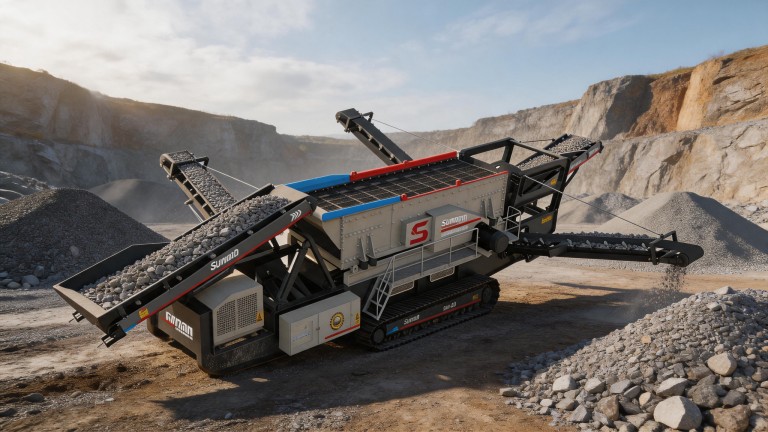
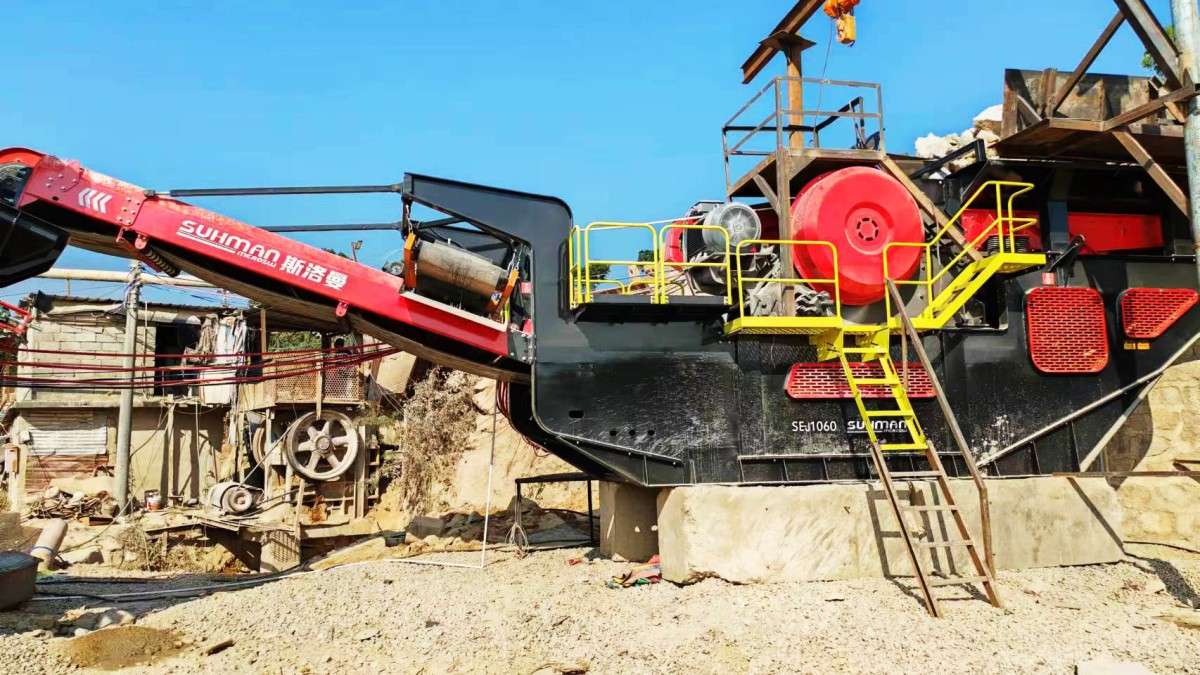
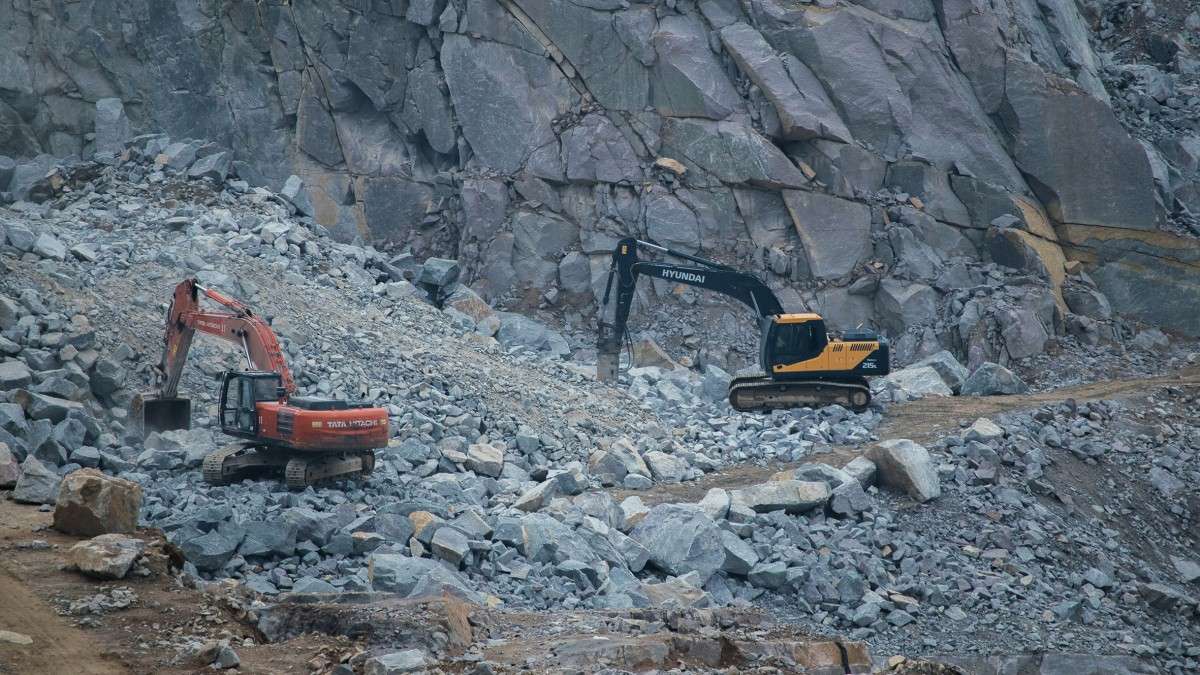
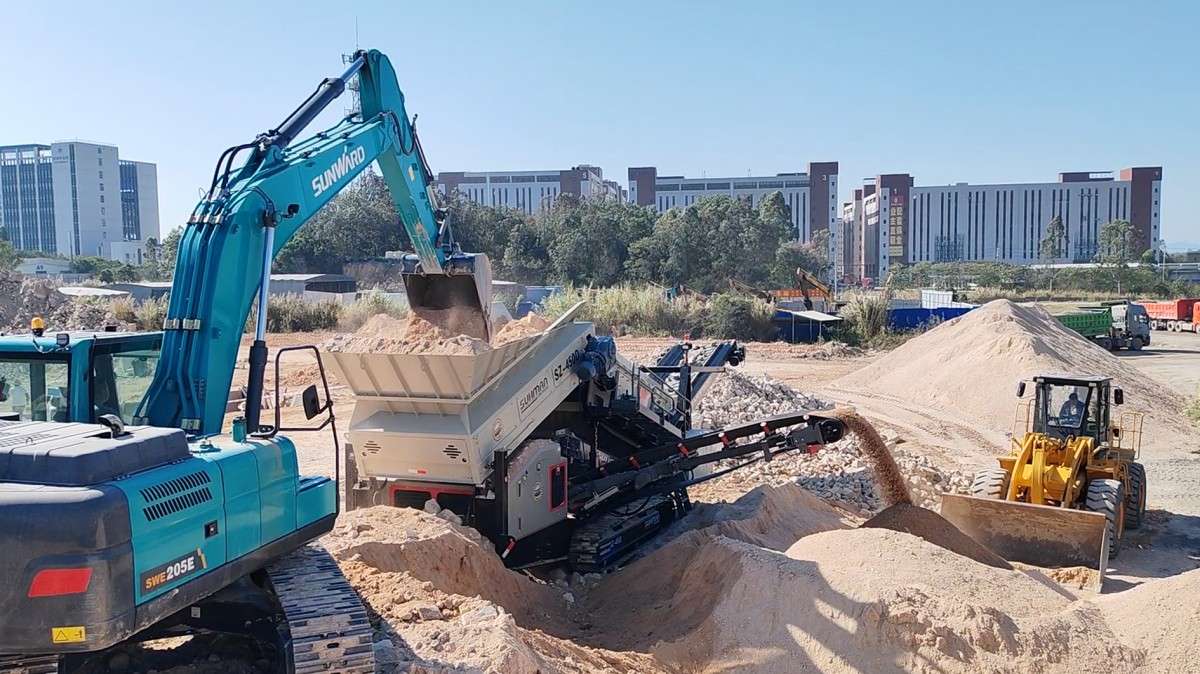
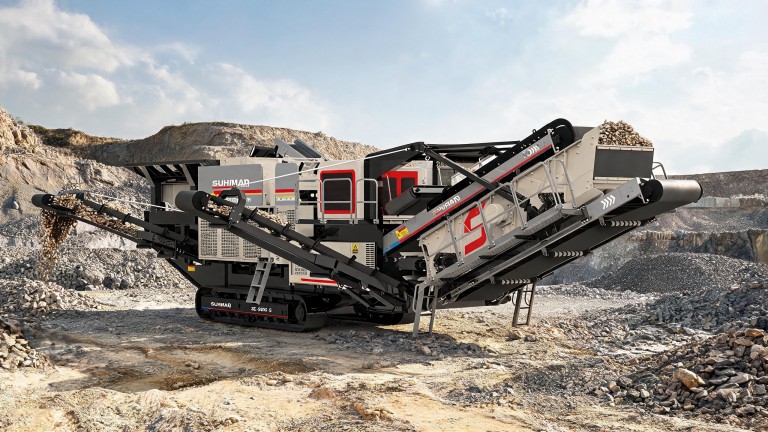
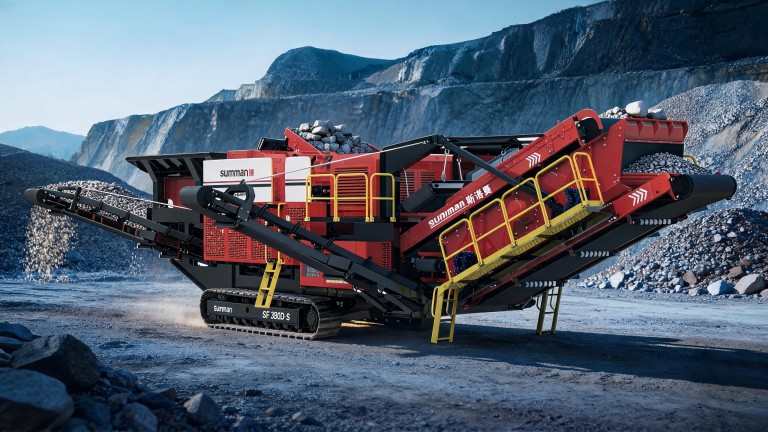
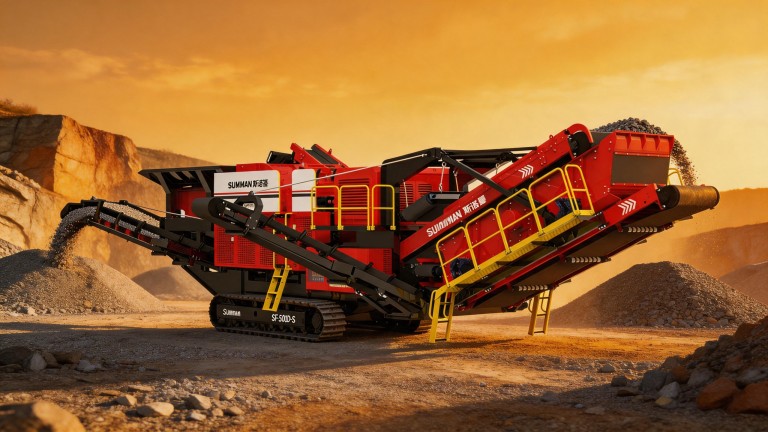
A tracked mobile jaw crusher is suitable for primary reduction of blasted quarry rock, natural gravel oversize, and reinforced concrete rubble when feed dimensions and hardness are inside the designed envelope and the site can deliver material consistently to the feeder. It is not suitable for pure scrap metal, vehicle bodies, or large steel sections. Those materials risk serious structural damage to crusher jaws and belts. The recommendation also does not apply if your production target requires a tight, fine aggregate with high cubicity without additional downstream screening — because that task commonly demands a secondary or tertiary stage in the process line.
Before any final selection can be made, the buyer must supply the missing inputs we identified: standard model and series, crusher configuration, material and feed properties, line configuration, project location, and a measured output target. Without those, a SUHMAN engineer cannot responsibly quote a production guarantee. The correct next step is to open that conversation with the required data in hand.
The process of working toward your specification
When you prepare your inquiry, provide photographs and the source of your material, whether it is a hard rock quarry, riverstone deposit, or construction demolition recycling point. State whether fines are acceptable in the finished product or must be removed. Indicate the electrical supply if you plan electric drive, since many mobile plants offer diesel or diesel-electric options depending on regional power conditions. Also, factor in local spares and service. These topics are not decoration; they shape the choice of engine, screen deck arrangement, and magnetic separator.
Serving concrete customers usually demands a consistent closed-side setting and regular liner inspection. Downtime is a cost the machine owner feels for years, so response speed matters just as much as the steel itself. For that reason, the verified response standard is worth treating as a commercial requirement: on an enquiry made outside active hours, you should receive a response within 12 hours, and during business hours the response is expected on the same working day . That expectation is not a promise of instant machine delivery — it is a commitment about engineering communication, which owners often rate higher than any specification sheet.
Decision logic in plain terms
First, decide whether your objective is aggregate production or scrap metal handling — if it is the latter, stop reading a mobile crushing catalog because the tool is wrong. Second, gather a set of twelve representative bulk samples for moisture and gradation analysis. Third, write down the target product with its required size fraction and the daily output volume you need to sell to make the plant pay. Fourth, locate the machine relative to the face, haul road, and load-out area. Fifth, only then compare models.
Many owners also misjudge the difference between «mobile» and «transportable.» A fully tracked unit moves around the quarry under its own power and sets up in minutes with no crane. A skid-mounted or semi-mobile unit requires relocation machinery and more setup time, but it may offer a lower purchase cost if move frequency is low. This trade-off belongs in your specifications rather than in an article, because it depends on site geometry and blasting plans that only you can describe.
FAQ — Frequently asked questions
Why does a mobile crusher shown in a game not prove real-world performance?
Because the game models fictional damage, not crushing physics. Real performance in a quarry is measured as tonnes per hour of aggregate passing a specified screen and meeting a grading envelope, under stated feed conditions. Entertaining footage can suggest that tracked equipment is durable, but it cannot validate capacity, wear life, or product shape on your specific rock.
What information must I provide to receive an engineering quotation?
You need the standard model and series you are interested in or the crusher configuration required, the feed material’s type and maximum particle size, moisture and hardness data, your full process line arrangement from feeding to screening, project location, and a measured output target in tonnes per hour. Without these items, no responsible manufacturer should lock in a capacity figure.
Can crushed concrete and asphalt rubble be processed with the same machine as quarry rock?
Possibly — some track-mounted units are designed to accept both — but the inclusion of reinforcing steel changes the plan. You will need a magnetic separator and a different screening strategy. Suitability is decided by inlet size, power, and chamber configuration, and it must be confirmed per model rather than assumed from a generic catalog entry.
What happens if I send an inquiry outside business hours?
SUHMAN works to a defined response discipline. Business hours are Monday through Saturday, 09:00 to 18:00 Beijing time. An inquiry sent outside those hours receives a response within 12 hours . For owners coordinating across different time zones, this is useful structure: you send the data package at night, and the engineering team picks it up at the start of their working day.
Who is responsible for a measured output test on site?
The buyer or an independent site-testing party carries out the measurement, sampling, and process observations. A test should be long enough to cover the duty cycle and must record running conditions, setting, and screen operation. An editor or manufacturer can propose the test protocol, but independent measurement on site is the only way to verify the number.
For more context on how SUHMAN approaches equipment selection, review the company overview page or the recent technical articles. The tracked plants available for review are listed in the mobile crushers and screens catalog. When your data set is assembled, the direct route to a specification discussion is the contact page, where the engineering team receives your enquiry within the verified response window.
The essence of this answer is simple: the machine that works well in a game is not the machine you are buying. What you are buying is a production system whose output depends on how truthfully you describe your feed. State your numbers honestly, demand honest numbers in return, and treat any specification without a basis in site evidence as preliminary until the first measured trial confirms it.