Не уходите!
Вы ещё не получили бесплатный расчёт и точную цену.
Оставьте контакт, наши инженеры подготовят индивидуальное решение для вашего проекта.
Оставьте контакт, наши инженеры подготовят индивидуальное решение для вашего проекта.


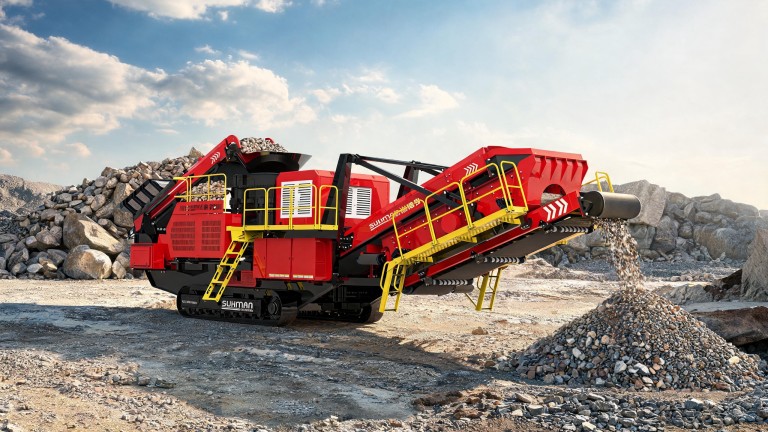
Learn how to replace fixed and movable jaw plates on a mobile jaw crusher: safety steps, removal sequence, setting the discharge gap, and common mistakes to
Direct answer: Replacing the fixed and movable jaw plates (дробящие плиты) on a mobile jaw crusher is a scheduled maintenance task driven by wear, not by a fixed hour count. The correct procedure is to lock out the power, release the hydraulic tension, remove the worn plates from the top or side depending on the crusher design, clean the seats, and install the new plates with proper torque before resetting the discharge gap. Because the specific design varies by model, your first step is to confirm the machine’s configuration and plate profile with the manufacturer.
Before you even order the new parts, you need to know what you are dealing with. The two most common mistakes are ordering the wrong plate profile and ignoring the condition of the toggle plate and seat. These are separate components with separate failure modes.
Your replacement plan depends on three site-specific inputs you must gather:
If you do not know the model and configuration, you cannot proceed safely. Do not attempt to fit plates from one crusher series onto another because the mounting geometry, bolt patterns, and cheek plate dimensions are not interchangeable.
The removal sequence generally follows this order, but always consult your machine’s specific manual first:
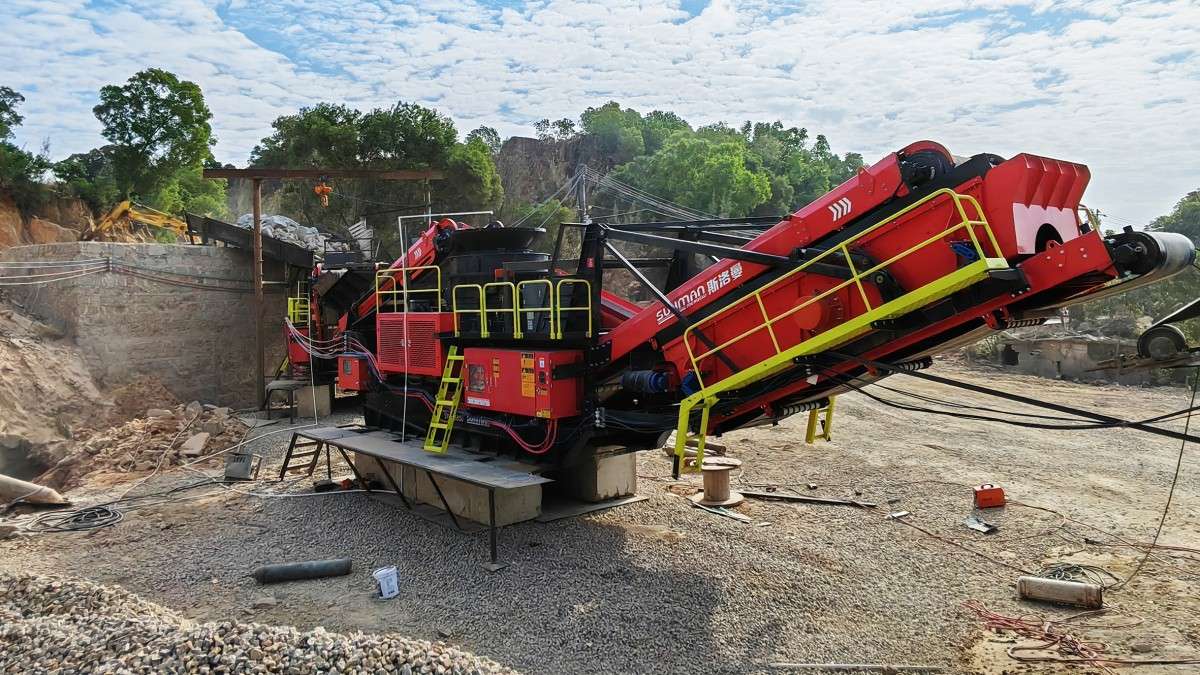
Installing the plates is the reverse of removal, but with careful attention to alignment. The plates must seat flat against the face of the die holder. A gap behind the plate at any point creates a bending load that will crack the plate, regardless of its alloy composition.
When you set the new plates, measure the discharge gap (CSS) with the crusher at rest and the plates at opposite ends of the crushing stroke. The correct measurement procedure is:
The material hardness is the controlling factor for the CSS you should run. For softer materials, you can crush to a smaller size; for hard, abrasive rock, you will need a larger CSS to protect the plates and maintain throughput.
Because the life of a jaw plate depends on the feed material, the crusher settings, and the quality of the original part, no one can give you a universal lifespan. Use the following table as a pre-delivery checklist when you speak to your parts supplier or the SUHMAN support team. Fill in the values with your site data before ordering.
| Input Required | Your Value (to be confirmed) | Why It Matters for Replacement |
|---|---|---|
| Crusher model & serial number | Keep the data plate legible | Determines the exact plate profile and bolt pattern. |
| Feed material (type, hardness, moisture) | e.g.granite, 180 MPa, <5% moisture | Hardness dictates tooth profile and the wear rate. |
| Maximum feed size | e.g. 600 mm | Oversize feed can crack the plates. |
| Current wear pattern on old plates | Visual or photo evidence | Tells you if the discharge gap was set correctly. |
| Target discharge setting (CSS) | e.g. 100 mm | Needed for initial gap after installation. |
| Toggle plate condition | Cracked / Good / Replaced last service | A worn toggle plate changes the crusher geometry. |
| Required spare parts list | Complete list of bolts, wedges, plates | Confirm the full kit is ordered before starting the job. |
A jaw crusher is the right tool for primary crushing of hard, abrasive rock, but its wear cost is a function of the gap setting and the feed size. This procedure applies to machines operating within their designed feed size range. If you are feeding a jaw crusher with material smaller than the closed side setting at the feed opening, you are wasting energy and creating unnecessary wear.
Where this procedure does not apply: This replacement guide does not cover repairs to the crusher frame, the pitman, or the main bearing. If you notice cracks in the frame, movement of the bearing housings, or unusual vibrations that persist after a plate change, you have a structural issue. In that case, stop the crusher immediately and engage the manufacturer for a full inspection.

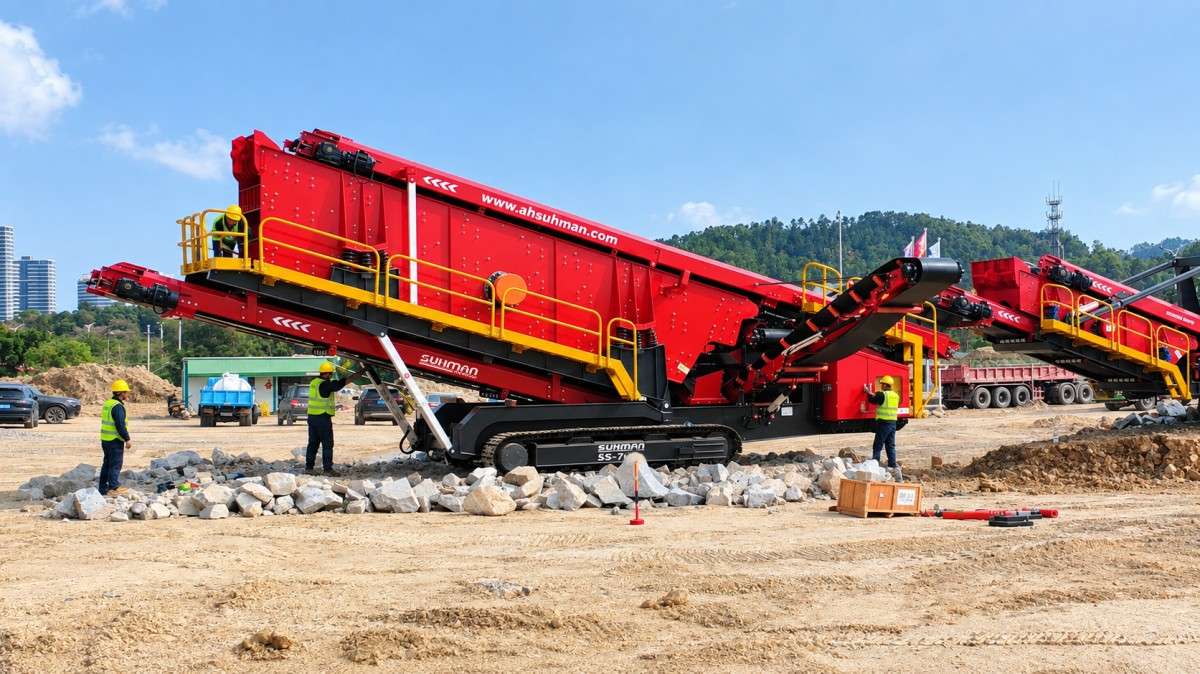
Rotation is a legitimate step if your plates are reversible and the wear is a single-sided pattern. When you rotate them, you extend the life of the original set. You must measure the wear profile after the rotation. The time to replace is when the wear has reduced the tooth height to about 30–40% of its original dimension, or when you see cracks, even if only in one tooth. If the wear is uneven across the plate—worn at one end but not the other—it indicates the pitman is moving incorrectly, and rotating plates will not fix the underlying problem.
The profile and tooth geometry must match your crusher model and the material you are crushing. A coarse tooth profile is for larger feed and harder rock; a fine profile is for smaller feed. You cannot determine this by eye. You must reference the part number from your crusher’s manual or the existing plates. If this information is missing or illegible, contact SUHMAN support with the crusher’s serial number before ordering. Providing the wrong profile will result in poor throughput and rapid breakage.
Do not hammer it into place. A gap means debris is trapped behind the plate, or the plate profile is wrong. Remove the plate, clean the seat thoroughly, and inspect the mounting surface for burrs or weld spatter. If the plate still does not sit flat after cleaning, the plate is incorrectly machined. You must stop the installation and contact the supplier. Installing a plate under tension will lead to a fatigue fracture within hours of operation. [FACT REVIEW REQUIRED]
Yes. Harder rock requires a wider closed side setting (CSS) to compensate for the higher crushing forces. If you start with a gap measuring 100 mm for soft limestone and you switch to granite, you must increase the gap to approximately 130–140% of the original setting to protect the plates and the main frame from overload. These are engineering estimates; your starting point should come from the crusher’s setup table for the specific material.
The task duration depends on the crusher size, the lifting equipment available on site, and whether the toggle plate and cheek plates are also being replaced. A typical replacement for a mid-size mobile unit, with experienced technicians and a crane on site, takes a full working shift. If you must perform the task in remote conditions with limited lifting equipment, budget for at least two shifts. This is a planning estimate, not a measured guarantee, as site logistics vary.
If you cannot confirm the correct plate profile, the current wear condition, or the design of the mounting arrangement, contact the manufacturer before you order. You can reach technical support from Monday to Saturday, 9:00 AM to 6:00 PM (Beijing Time), via email, WhatsApp, or mobile phone; inquiries outside these hours are answered within 12 hours. The support team can help you identify the correct parts and advise on the service procedure for your specific configuration.
For a final selection and a precise installation guide, the buyer must provide the crusher model, the feed material characteristics (type, hardness, max size), and the target discharge setting. Until you provide these inputs, any recommendation on plate life or specific procedure steps remains a general guideline.